You walk into the garage holding a number in your head, and the quote for an epoxy garage floor coating lands nowhere close to it. A kit at the hardware store costs about $129, while a pro estimate can run twenty times that, which is the whole reason garage floor epoxy cost feels so confusing. The concrete looks the same either way. Gray, flat, a little stained near where the car parks. So why does one option cost about as much as a nice dinner and the other costs as much as a used car? Here is the short version: you are not paying for the shiny color on top. You are paying for everything underneath it.
That gap trips up a lot of Atlanta homeowners. The price is not really the problem. The real worry is quieter than that. Nobody wants to hand over good money and then watch the floor flake off a year later.
Key Takeaways
The Homeowner Standing on a Cold, Stained Slab
Picture the person this floor is for. Maybe that is you. You park two cars in there. You store the holiday bins, the bikes, the lawn gear. The concrete has oil spots, a few cracks, and that chalky white dust that never sweeps away. You want a floor that looks clean, wipes up easy, and holds up to hot tires and dropped tools. You are not shopping for a logo. You are shopping for an epoxy garage floor coating that survives real life.
So you start pricing it out. One quote feels fair. The next feels high. A kit at the store feels like a steal. And now you are stuck, because every number tells a different story and none of them explains itself.
The frustration is real, and it is not about being cheap. It is about not wanting to feel played. You are trying to make a smart call with money you worked hard for. A fair price should buy a floor that lasts. That is the whole deal.
Where Your Garage Floor Epoxy Cost Actually Goes
Let’s break the number down so it stops feeling like a mystery. Most of the garage floor epoxy cost falls into three buckets: prep, materials, and labor.
Cost guides put professional installation at roughly $3 to $12 per square foot. National data pulled together by sources like Angi’s cost research shows a typical project averaging around $2,227, with most homeowners spending somewhere between $1,447 and $3,006. A two-car garage often runs $1,600 to $6,000 depending on size and floor condition.
Materials swing the price a lot. Water-based epoxy costs about $30 to $50 per gallon. Solid epoxy, the heavy-duty stuff pros use, runs $45 to $150 per gallon. Labor adds another $4 to $9 per square foot, since the work takes skill and the right machines.
Then come the add-ons that change everything: crack repair, moisture testing, color flakes, and a clear top coat. None of that shows up in a hardware-store box. All of it shows up in your garage floor epoxy cost when a pro does the job right. A real epoxy garage floor coating folds those steps into the package instead of hiding them.
Why the $129 Kit Looks Cheaper (and Usually Isn’t)
Here is where the math gets honest. A DIY kit runs $100 to $500, and almost all of them use water-based epoxy. That product tends to last about 1 to 3 years on a garage floor. A professional epoxy garage floor coating built on solid epoxy can hold up for 10 to 20.
Run the numbers. If a cheap floor needs a redo every two or three years, you buy it three or four times in a decade. A single professional install costs more on day one and then sits there doing its job. So the low sticker price is not really the low price. It is just the first payment.
There is a health angle too. Cheaper kits often carry higher levels of volatile organic compounds, the fumes that off-gas while a floor cures. The U.S. EPA notes that these compounds average two to five times higher inside a home than outside, and they can spike far higher during and right after a project. In an attached garage or a closed basement, that matters. A pro plans for airflow and cure time. A rushed weekend job often does not.

The Step That Makes or Breaks the Price: Prep
If you remember one thing, make it this. Surface prep is the number one reason floor coatings fail and peel. Skip it or rush it, and even pricey epoxy will lift.
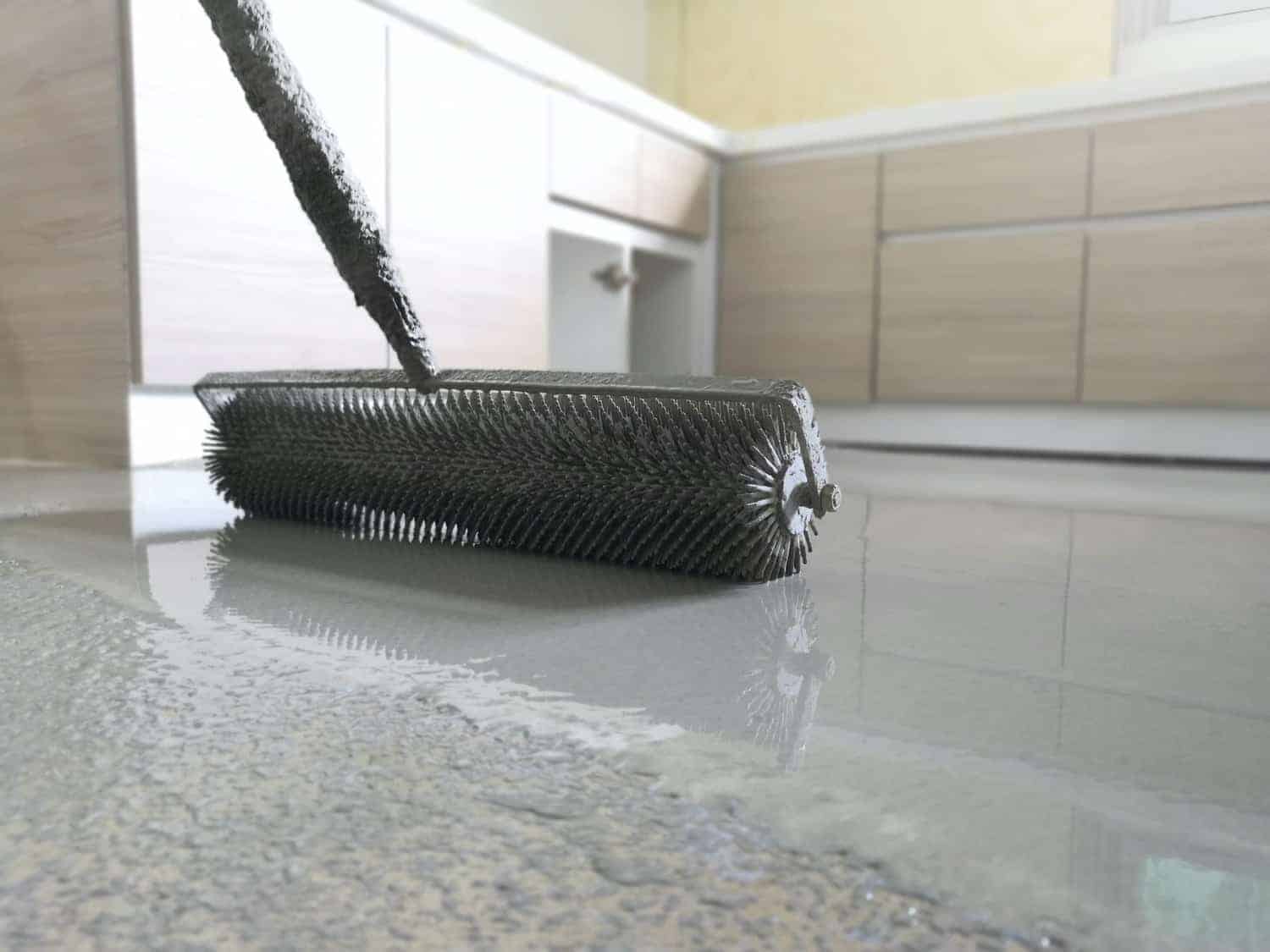
Epoxy does not glue itself to smooth concrete. It grips a rough, open surface, almost like Velcro. Pros get that texture with a diamond grinder, which opens the pores in the concrete and strips off the weak top layer. Many kits and some low bids use acid etching instead. Etching only roughens the surface a little, which is why so many DIY floors fail inside the first year.
Basements add one more test. Water vapor moves up through a slab that sits below ground, and epoxy seals that vapor in. The trapped pressure can push a coating right off the concrete. That is why a careful crew checks for moisture before a single drop of epoxy goes down. A higher garage floor epoxy cost often means that testing and grinding are baked in, not skipped to win the bid. A lasting epoxy garage floor coating starts with the grind, not the color on top.
When a Higher Garage Floor Epoxy Cost Is Worth It
Spending more makes sense in plenty of real situations:
In each case, a solid epoxy garage floor coating with full grinding and a real top coat earns its price. You pay once, and the floor keeps showing up for work.
When It Might Not Be
Now the part most sales pitches skip. Sometimes a big spend on a floor is the wrong move, and you deserve to hear that.
A straight contractor will tell you when to slow down. That honesty is part of what you are buying.
What a Straight Answer Looks Like
You should not have to guess your way through this. A clear process makes the whole thing simple:
That is it. No riddles, no pressure, no surprise line items on the invoice.
Get a Real Number for Your Garage
Stop trying to reverse-engineer a fair price from blog charts and forum threads. The fastest way to learn your true garage floor epoxy cost is to have someone stand on your concrete and measure it.
Oakcliff Painting installs epoxy garage floor coating systems for homeowners across the Atlanta area, with full diamond grinding, moisture testing, and a written price before any work starts. You will see exactly what each step costs and why. No mystery math, no upsell theater.
Call Oakcliff Painting at 770-405-3449 to book a free on-site quote. Park the cars, point at the floor, and get a straight answer you can actually plan around.