
Two cans of paint can share the same color and still look nothing alike on your wall. A paint sheen chart explains why, but most charts skip what matters: how each sheen behaves in a real home. When you compare eggshell vs satin on an estimate, the names sound close, and the difference is easy to miss. At Oakcliff Painting, we walk homeowners through this choice before any work starts, and our interior house painting services page shows how we handle the full job.
We hear this question from homeowners in Alpharetta, Johns Creek, and Sandy Springs all the time. You do not need to know paint science to get it right. You need a clear map of where each sheen belongs and an honest look at the trade-offs. This post gives you both.
Why Paint Sheen Is Harder to Pick Than Color
Color gets most of the attention, but sheen changes how that color looks in every kind of light. Sheen is how much light a dried paint film reflects. Sherwin-Williams explains that the industry measures shine in gloss units, on a scale from 0 to 100 at a 60-degree angle. So a higher number means shinier paint.
MPI is a group that sets standards for the paint industry. Its scale places eggshell at 10 to 25 gloss units, satin at 20 to 35, and semi-gloss at 35 to 70. Notice the overlap between eggshell and satin. Sherwin-Williams also notes that brands name sheens differently, so one company’s gloss can look like another company’s semi-gloss.
Light plays a part, too. Sherwin-Williams says rooms with lots of natural light can get a mirror-like glare from high-gloss paint. A bright room often looks calmer with a softer wall sheen.
That is a lot of fine print for a simple choice. It is natural to wonder whether the sheen on your estimate matches what you picture. You should not need a gloss meter to paint your living room. You deserve a straight answer about what each sheen does and where it fits.
Paint Sheen Chart: Eggshell, Satin, and Semi-Gloss Side by Side
Use this chart as a starting point. The gloss ranges come from MPI, and your paint maker can give you the exact number for the product you pick.
| Sheen | Gloss Units (60 Degrees) | What It Does Well | Where It Usually Fits |
|---|---|---|---|
| Eggshell | 10 to 25 | Soft look, hides small wall flaws | Living rooms, dining rooms, bedrooms |
| Satin | 20 to 35 | Wipes clean, handles daily wear | Kitchens, hallways, bathrooms, kids’ rooms |
| Semi-Gloss | 35 to 70 | Toughest of the three, easiest to wipe | Trim, doors, baseboards |
Every row is a trade-off, not a ranking. A lower sheen is kinder to wall flaws, but a higher sheen holds up better against messes. The right pick depends on the room, not on which row sounds fancier.
Eggshell vs Satin: Which One Fits Your Walls?
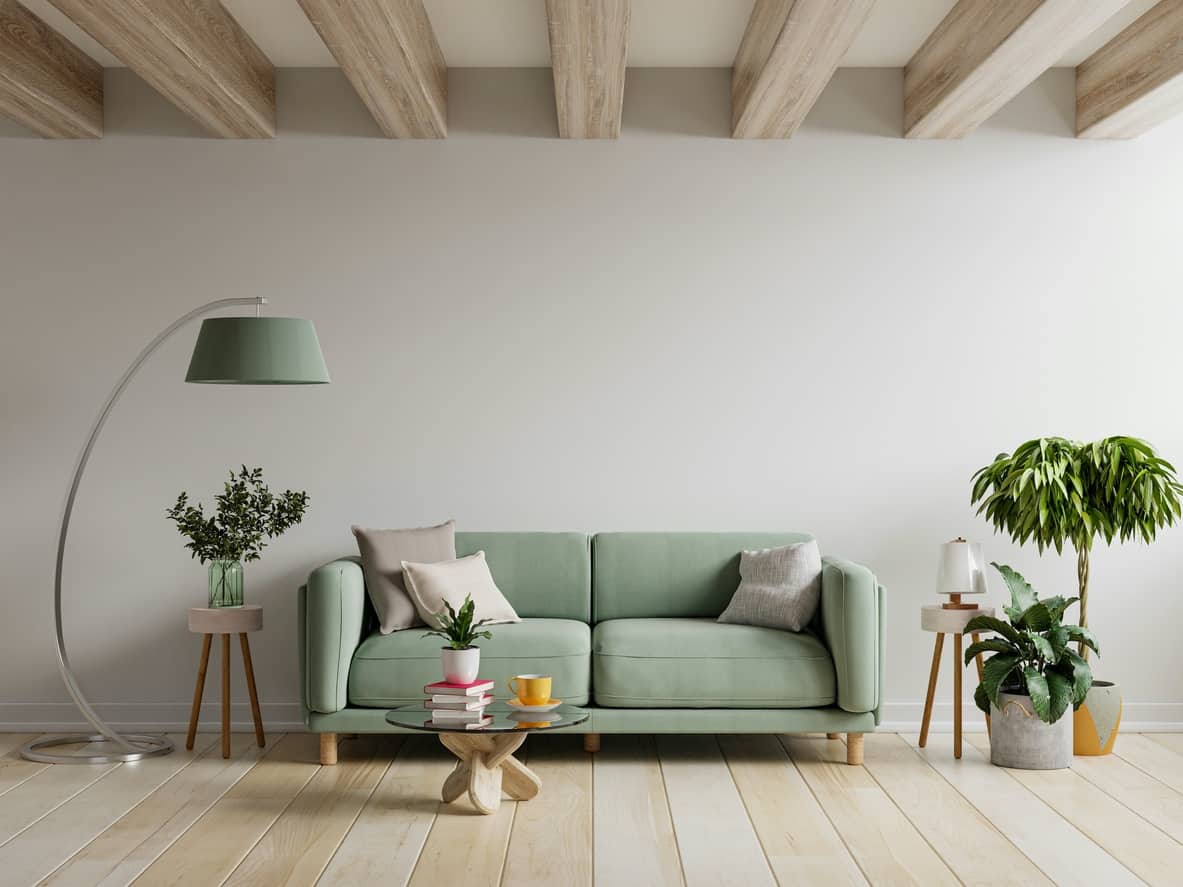
Eggshell has a soft, low glow. It hides small wall flaws, like patched nail holes, better than shinier paint. That makes eggshell a favorite for living rooms and bedrooms. The tradeoff is that eggshell takes less scrubbing than a shinier paint.
Satin has more shine and a tougher surface. Sherwin-Williams notes that higher sheens tend to be the most stain-resistant, which is why you see them in kids’ rooms and busy areas. The tradeoff is that satin shows more of the wall. Patches, roller marks, and uneven drywall can stand out under bright light.
Eggshell tends to fit when:
Satin tends to fit when:
We will not tell you satin is always the upgrade. In a quiet bedroom, eggshell often looks better and works just as well. The room should pick the sheen.
Satin vs Semi-Gloss: Where Trim and Doors Fit
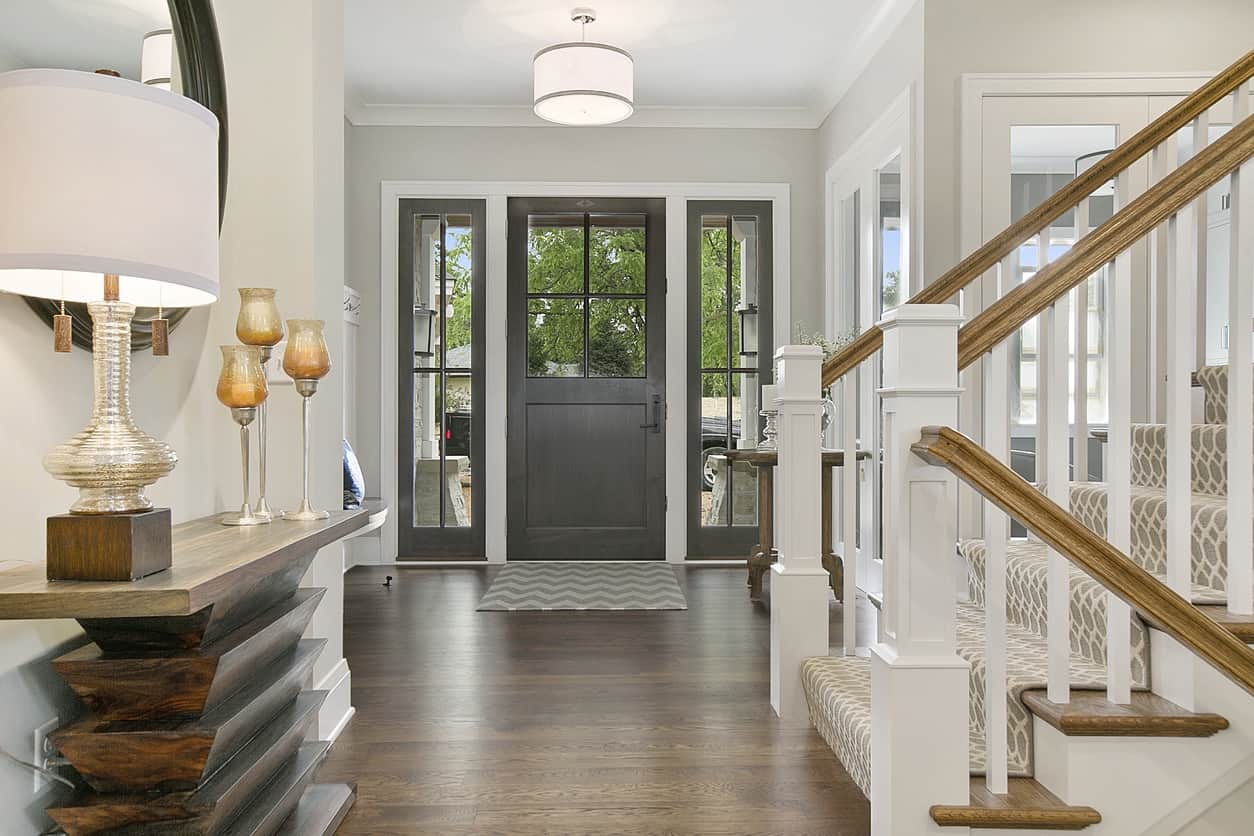
Semi-gloss is the shiniest of the three. It handles hands, shoes, and wiping better than the other two, which is why it works well on trim, doors, and baseboards. A shinier finish on trim also adds depth next to softer walls, as Sherwin-Williams notes.
On large walls, semi-gloss works against you. It reflects a lot of light, so every dent and patch shows. If you are weighing eggshell vs semi-gloss for a wall, eggshell is usually the calmer pick.
A higher sheen also asks for better prep. That is why our interior house painting services in Atlanta cover drywall repair, sanding, and carpentry before we paint your walls, ceilings, and trim. Smooth surfaces let any sheen look its best.
Where Each Sheen Belongs in an Alpharetta Home
Homes in Alpharetta and Marietta come in many layouts, but the sheen rules stay simple. Here is where we usually place each one:
Want every room covered? Our post on the best paint finish for every room covers each room. Bathrooms get special treatment because of moisture. The EPA recommends keeping indoor humidity below 60 percent, and ideally between 30 and 50 percent. Cooking and showering add moisture to the air, which is one reason higher sheens are common in bathrooms.
Our Plan for Matching the Sheen to Your Home
We keep the process simple, and you make the final call. Here is how we help you choose:
- 1Look at the room. We check the light, the foot traffic, and the moisture in each space.
- 2Check the walls. Dents, patches, and texture change which sheen looks best.
- 3Prep the surface. We handle drywall repair, sanding, and carpentry before paint goes on.
- 4Match each surface. Walls, ceilings, and trim each get the sheen that fits them.
This is one choice where an experienced painter helps, because we can see how light hits each wall. We back our work with a 3-year workmanship warranty, and we handle complete cleanup when the job ends. Our team has served the Atlanta area since 1996.
What Happens When the Sheen Does Not Match the Room
A mismatch will not harm your home, but it can cause small headaches. A low sheen in a busy hallway may take less scrubbing than you want. Also, a high sheen in a bright room can create glare. A shiny finish on bumpy walls can highlight every flaw.
The good news is that sheen is easy to settle before painting starts. Talk through each room with your painter first, and weigh the room’s light, traffic, and moisture. When you look at a sample, check it dry, in both morning and evening light, because wet paint looks different. That one conversation can help you avoid a repaint later.