Your next exterior commercial painting project could be the difference between a building that holds its value and one that costs you far more down the road. A solid plan for commercial exterior painting maintenance protects your investment before small problems turn into expensive repair bills.
Key Takeaways:
- Annual inspections catch paint failure before it reaches the structure.
- Surface preparation determines how long a paint job lasts.
- The right paint product for your climate and substrate extends service life.
- A scheduled maintenance plan lowers your total cost over time.
- Documentation from your contractor protects your investment long-term.
Your Building Is Working Against the Clock
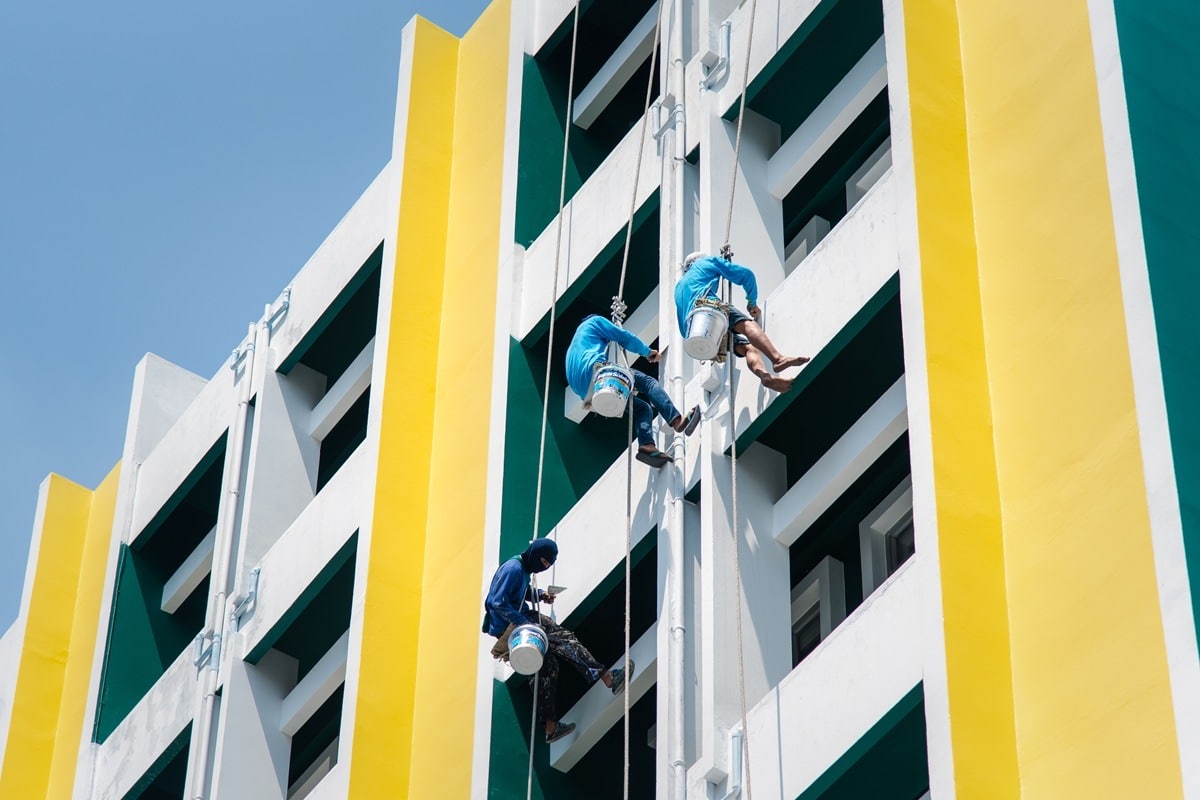
You own a commercial building. Every season, that building takes a hit. Sun, rain, wind, and temperature swings all wear down the exterior. Paint fades. Caulking cracks. Moisture gets in.
When that happens, you are not just looking at an eyesore. You are looking at wood rot, rust, mold, and structural repairs that cost far more than a fresh coat of paint.
The external problem is clear: the building’s surface breaks down over time. But there is an internal problem too. You may wonder whether you are making the right calls to protect your investment. You may feel the pressure of being responsible for a large asset and not know when to act.
That pressure is real. And it is worth addressing directly.
What Happens When You Skip Commercial Exterior Painting Maintenance
Paint is not just cosmetic. It acts as a barrier between your building’s surface and everything the weather throws at it.
When paint breaks down, moisture enters the surface. On wood, that means rot. On metal, that means rust. On concrete or stucco, that means cracks and spalling.
A failing paint system that goes unaddressed gets worse over time. The longer it is ignored, the more the surface beneath it breaks down. Those repairs cost far more than a new coat of paint. More often than not, planned maintenance costs property owners less over time than deferred repairs.
Waiting is rarely cheaper.
Strategy 1: Schedule Annual Exterior Inspections
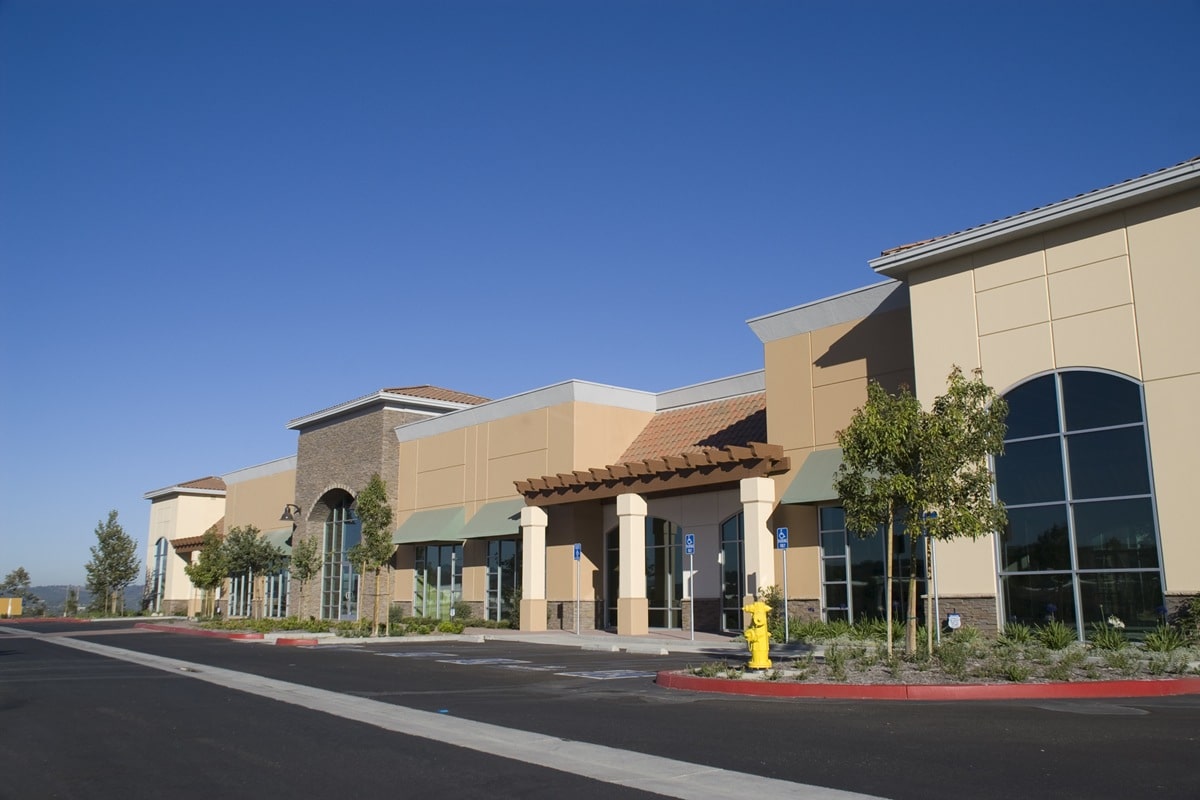
A sound commercial exterior painting maintenance program starts with knowing what you are working with. Walk the perimeter of the building, or have a professional do it, at least once a year.
Look for:
- Peeling, bubbling, or flaking paint on walls, trim, and soffits
- Gaps in caulking around windows, doors, and expansion joints
- Rust streaks or staining on metal panels and fasteners
- Chalking or fading that signals the paint is near the end of its service life
Catching these signs early lets you address surface-level failures before they reach the material underneath.
Strategy 2: Never Skip Surface Preparation
Surface preparation is where most exterior commercial painting projects succeed or fail. Before any exterior commercial painting project gets underway, the surface must be clean, dry, and solid.
That means:
- Pressure washing to remove dirt, mold, and chalking residue
- Scraping and sanding any areas where old paint has lifted or blistered
- Priming bare or porous surfaces before the topcoat goes on
- Caulking gaps along joints, penetrations, and wall-to-trim transitions
Paint applied over a poorly prepped surface fails early. That failure costs you money and time you did not plan for. Prep work is what makes the paint last.
Strategy 3: Choose the Right Paint for Your Building
Not all paint products work the same way on commercial buildings. The right choice depends on your surface type, your climate, and how much sun and rain your building gets.
A few general guidelines:
- 100% acrylic latex paints are a strong choice for most exterior surfaces. They handle moisture and UV exposure well.
- Elastomeric coatings work well on stucco and masonry. They flex with the surface and bridge small cracks.
- Alkyd or epoxy-based primers bond well to metal and chalking surfaces before topcoat application.
Ask your contractor for product data sheets before any exterior commercial painting project starts. These sheets list expected service life, surface fit, and the right conditions for use. That lets you compare options with real data, not guesswork.
Strategy 4: Time Your Paint Job for the Right Conditions
Timing matters more than most building owners expect. Paint applied in the wrong conditions will not cure properly. That shortens its service life.
For most exterior products:
- Temperature should stay between 50°F and 90°F during application and for 24 hours after.
- Relative humidity should be below 85%.
- Rain should not be forecast within 24 to 48 hours of application.
Plan your exterior commercial painting project for late spring or early fall. Temperatures are moderate then, and rain is less likely. That gives the coating the best chance to cure and bond correctly.
Your contractor can pull the product manufacturer’s specs and help you find the right time to apply.
Strategy 5: Build a Scheduled Maintenance Plan
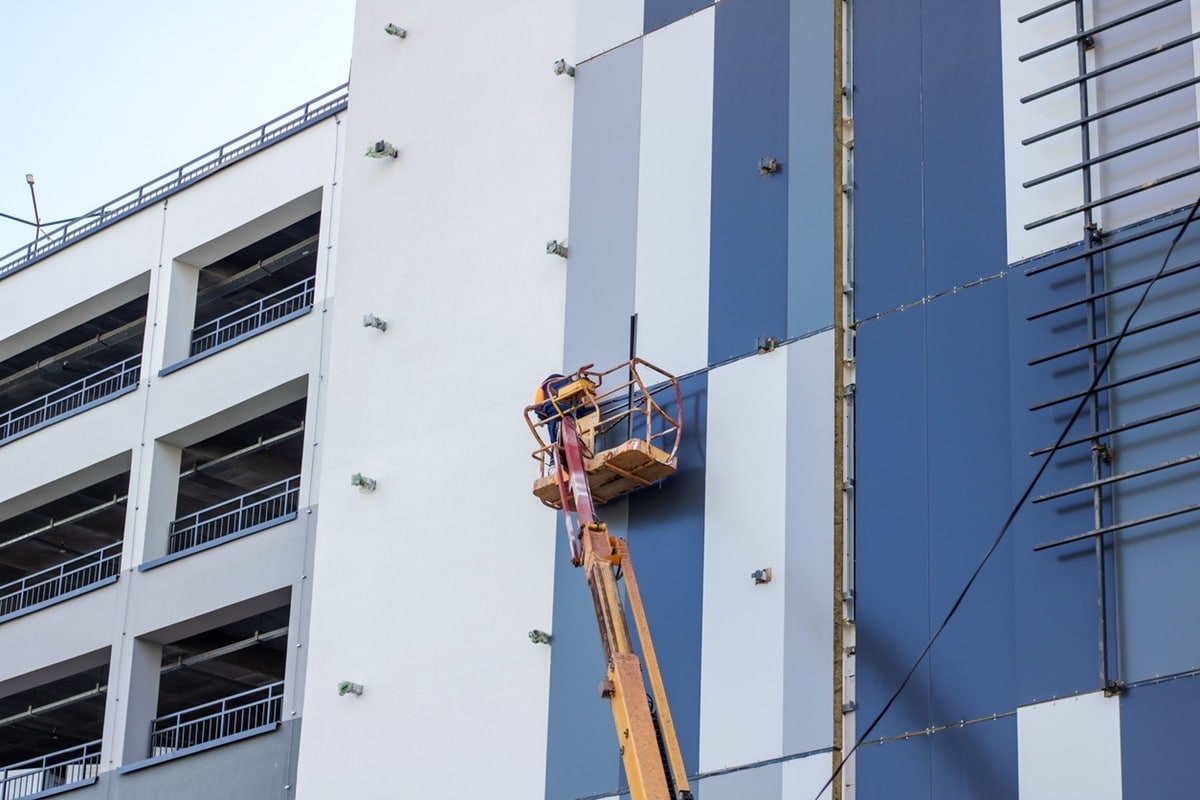
A one-time paint job is not a strategy. Commercial exterior painting maintenance is an ongoing process.
Most commercial buildings need a full repaint every five to ten years. That window depends on:
- Climate and sun exposure
- Paint product quality and application method
- How well the previous prep work was done
Between full repaints, a touch-up schedule every one to two years can address minor failures before they spread. Budget for it. Plan for it. Treat it like any other line item in your building’s maintenance program.
Strategy 6: Work With a Contractor Who Provides Documentation
Any exterior commercial painting project worth the investment should come with clear documentation.
Ask your contractor to provide:
- A written scope of work before the job begins
- Product data sheets for every paint and primer used
- Progress photos showing surface prep and each stage of the job
- A written warranty on both labor and materials
This paperwork protects you. It shows exactly what was done and what products were used. It also gives you a solid record for the next round of commercial exterior painting maintenance.
Strategy 7: Track Paint Performance Over Time
Good record-keeping is part of any sound commercial exterior painting maintenance plan.
Keep a simple log that includes:
- The date of every inspection, touch-up, and full repaint
- The products used and which contractor did the work
- Any areas of concern noted during each inspection
- Photos documenting building condition before and after each job
This log helps you spot patterns. If one side of your building is failing faster than others, you can look into the cause. Sun exposure, water runoff, or a substrate issue could all play a role. Over time, you will make better decisions and get more value out of every exterior commercial painting project.
Ready to Protect Your Building?
You have a lot riding on your commercial property. A clear commercial exterior painting maintenance plan is one of the most practical steps you can take to protect it.
At Oakcliff Painting, we work with building owners to put maintenance plans in place that fit their budget and timeline. We document every step. We use products rated for commercial applications. We give you a clear picture of what was done and why.
Before you plan your next exterior commercial painting project, give us a call. Reach us at 770-405-3449. We will walk through your building, note what it needs, and give you an honest assessment.