Fresh paint on a house should look sharp for 8 to 10 years, not 8 to 10 months. If you’re seeing exterior paint peeling a year or two after a repaint, the reason almost always traces back to surface preparation, not to the paint itself. A few months ago, we covered how poor surface prep leads to early paint failure on interior walls. The same core problem shows up outside, but with even bigger consequences.
Across metro Atlanta, homeowners are watching expensive paint jobs blister, crack, and peel off their siding in strips within a year or two of being repainted. The culprit is almost never the paint in the can. It’s what happened on the wall before that paint went on. Skipping proper prep is the fastest way to pay for the same paint job twice, plus the siding underneath it.
This post breaks down what really happens when a painter cuts corners on prep. You’ll see why prep matters more than the paint brand on the can, and how to spot a painter who will protect your home from peeling exterior paint rather than cause it.
Key Takeaways:
What Surface Preparation Actually Means
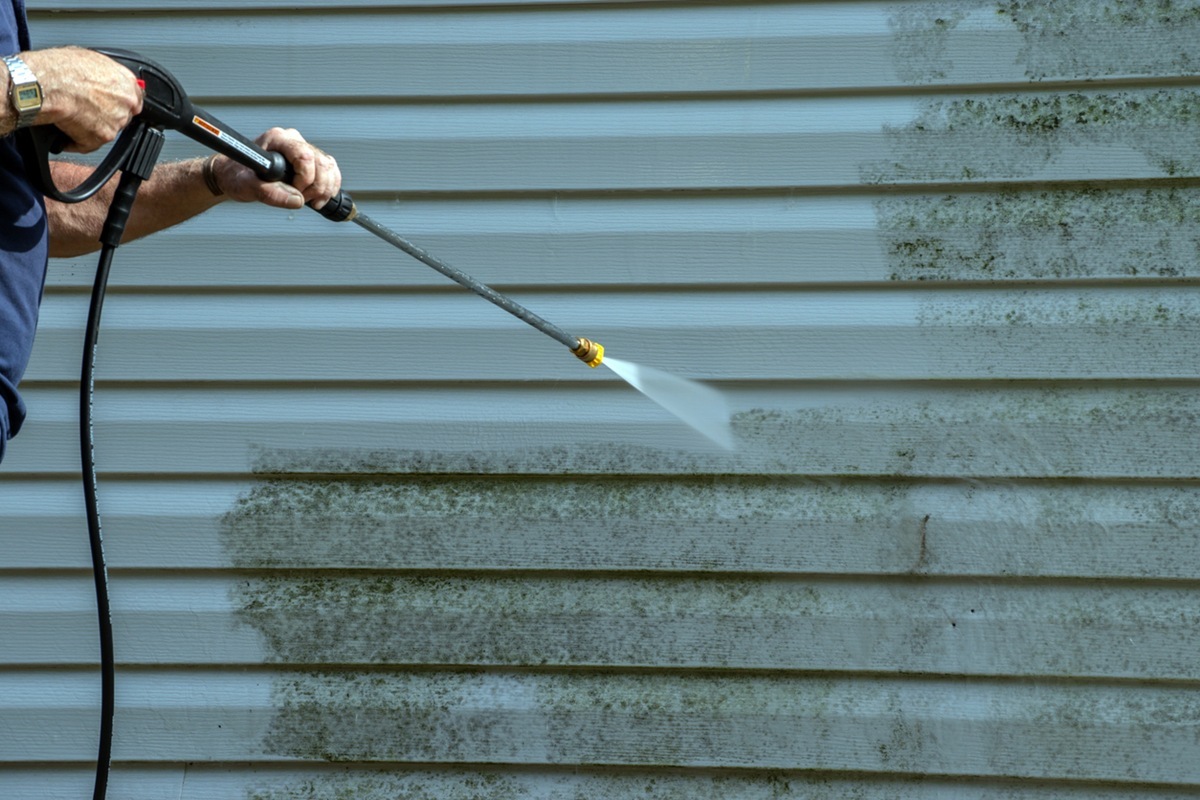
Good surface preparation for exterior painting is not one task. It’s a sequence. A professional painter starts by washing the siding to remove dirt, chalk, mildew, and pollen. Then comes scraping loose or failing paint, feathering the edges with sanding, and filling gaps and cracks with caulk. Bare wood gets primer. Mildew gets treated. Rotted boards get replaced. Only after all of that does a single drop of topcoat go on the wall.
Industry standards from Sherwin-Williams state the rule plainly: the surface must be clean, sound, and dry before the first drop of paint touches it. Their technical data sheets note that most coating failures come from skipped or rushed prep. That warning is not unique to one brand. Every major paint manufacturer says the same thing, and they say it on every can.
The First Sign of Trouble Is Exterior Paint Peeling
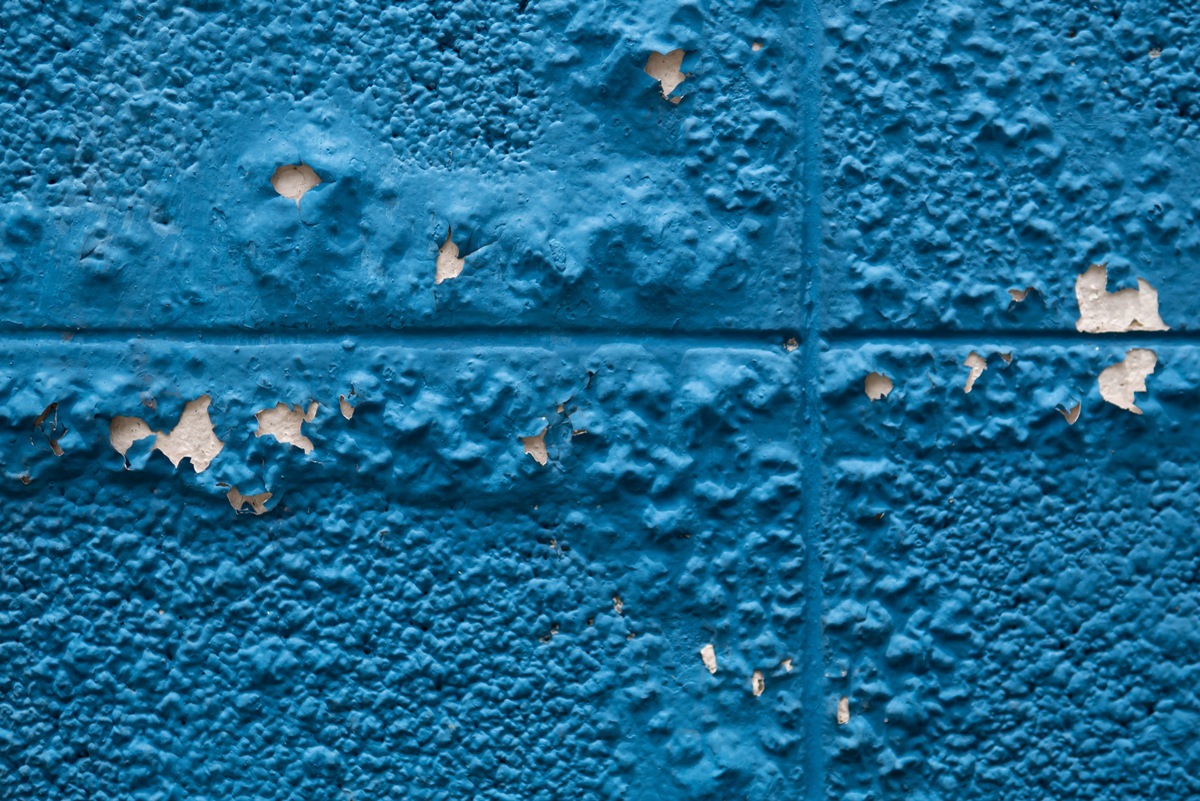
Exterior paint peeling is what most homeowners notice first. It usually shows up near the bottom of siding boards, around window trim, or under rooflines where water collects. Over time, the paint lifts in strips or sheets, sometimes peeling all the way down to bare wood. Most homeowners stare at it and assume they bought cheap paint. In almost every case, that assumption is wrong.
According to research published by the Association for Materials Protection and Performance, 75 to 85 percent of coating failures come from improper surface preparation, not from the paint itself. That number lines up with what every paint manufacturer publishes in their technical data. When exterior paint peeling shows up within a year or two of a repaint, the prep is almost always the reason.
The Real Cost of Skipping Prep
A bad paint job costs you more than a repaint. It also costs you the siding underneath.
Paint is not just color. It’s a seal. When that seal fails, water gets in. Wood siding that could last 40 years can rot far sooner if water soaks through failing paint again and again. Once rot sets in, no amount of new paint will save that board. Now you’re paying for siding replacement, carpentry, and a third paint job.
Skipping surface preparation for exterior painting also voids most paint warranties. Major brands state in their product data sheets that painters must apply the coating over a properly prepared surface. If the prep was bad, the warranty is worthless.
Why Some Painters Skip the Work
Here’s the part most homeowners never hear. Painters who cut corners on prep are almost always doing it to win on price.
Prep is the longest, dirtiest, least fun part of any paint job. On a typical two-story home, thorough prep can take two to four days before the first topcoat goes on. A painter who wants to come in as the low bid has one easy place to shave hours off the job, and it’s not the paint. It’s the prep.
Across metro Atlanta, the pattern shows up on the same walls every time. North-facing siding is shaded by pines that never fully dry between rains. Fascia and trim under leaking gutters. Hardie board seams that were never re-caulked. In every one of those cases, the wall was telling the previous painter exactly what it needed. The low bid meant the painter didn’t have the hours in the schedule to listen.
This is where the real villain of exterior paint peeling lives. Not in the paint aisle. In the low bid.
What Proper Surface Preparation for Exterior Painting Looks Like
An honest exterior paint job starts with a walk-around. A professional painter walks every side of your home, notes the failing spots, checks for moisture damage, and writes a prep scope into the contract. That scope should include:
Research from Purdue University also points to moisture as a leading cause of exterior paint failure. An experienced painter addresses moisture sources before opening a single can of topcoat.
How to Tell If Your Painter Is Really Doing the Prep
The simplest way to protect your home is to read the contract before you sign. A painter who takes surface preparation for exterior painting seriously will spell it out in writing. A painter who doesn’t will keep it vague.
Ask three direct questions before you sign anything:
If the answers are short, hedged, or missing, that’s your signal. A painter who is proud of their process will talk about it all day. A painter who isn’t will change the subject.
Your Home Deserves a Paint Job That Lasts
You shouldn’t have to pay for the same paint job twice. But that’s exactly what happens when surface preparation for exterior painting gets skipped. The low bid becomes the expensive one. The fresh paint becomes peeling paint. And the house you wanted to protect ends up needing more repair than if you’d done nothing at all.
At Oakcliff Painting, we treat surface preparation for exterior painting as the foundation of every exterior project, because it is. Our team documents every step of prep in writing. We stay on site until the work is finished properly, and we stand behind the result with a written warranty. If you want a paint job that still looks sharp a decade from now, call us at 770-405-3449 for a free on-site walkthrough. We’ll show you exactly what your home needs, and exactly what we’ll do to protect it.