Does humidity affect painting indoors? It does, and in Atlanta it can change your plans for the whole week. Before we start a project, most homeowners ask me the same thing: how long does interior paint take to dry, and when can my family use the room again? The honest answer is that it depends on the air inside your home, not just the number printed on the can.
Our team at Oakcliff Painting has painted homes across the Atlanta area since 1996, with more than 6,500 projects completed. Humidity comes up on almost every one of them. If you want to see how we handle prep, walls, ceilings, and trim, our interior house painting services page lays out the full process before you keep reading.
Why Atlanta’s Air Changes the Answer
Latex paint dries as the water in it evaporates into the room. When the air already holds a lot of moisture, that water leaves the wall more slowly. That’s why a humid room can keep paint soft even when the room feels cool.
Paint makers test their products under controlled conditions. Sherwin-Williams lists drying times for SuperPaint Interior Latex at 77°F and 50% humidity. Its product data sheet also states that drying and recoat times depend on temperature, humidity, and how thick the paint goes on.
Atlanta rarely sits at 50%. Long-term averages compiled from NOAA weather records show how much moisture our air carries, and summer mornings are the dampest part of the day.
| Atlanta Humidity | Full Year | August |
|---|---|---|
| Full-day average | 68% | 75% |
| Early morning | 81% | 89% |
| Late afternoon | 52% | 57% |
| EPA indoor target | 30% to 50% | 30% to 50% |
Your air conditioner pulls some of that moisture out. Still, open doors, cooking, and hot showers push indoor humidity right back up, especially from June through September.
How Long Does Interior Paint Take to Dry, Stage by Stage?
There are three stages, and each one answers a different question for your household. Knowing which stage a wall is in tells you what you can safely do in that room.
| Stage | Label Time (77°F, 50% Humidity) | What It Means for Your Home |
|---|---|---|
| Dry to the touch | About 1 hour | Dust won’t stick, but don’t lean on it |
| Ready to recoat | About 4 hours | The next coat can go on without pulling the first |
| Fully cured | 2 to 3 weeks for latex | Safe to scrub, tape, and push furniture against |
The first two times come from Sherwin-Williams SuperPaint Interior Latex data. The cure range comes from Sherwin-Williams’ general advice on latex and acrylic paints. On a muggy Atlanta day, treat every one of these times as a starting point, not a promise.
The Part Nobody Mentions: Waiting Feels Personal
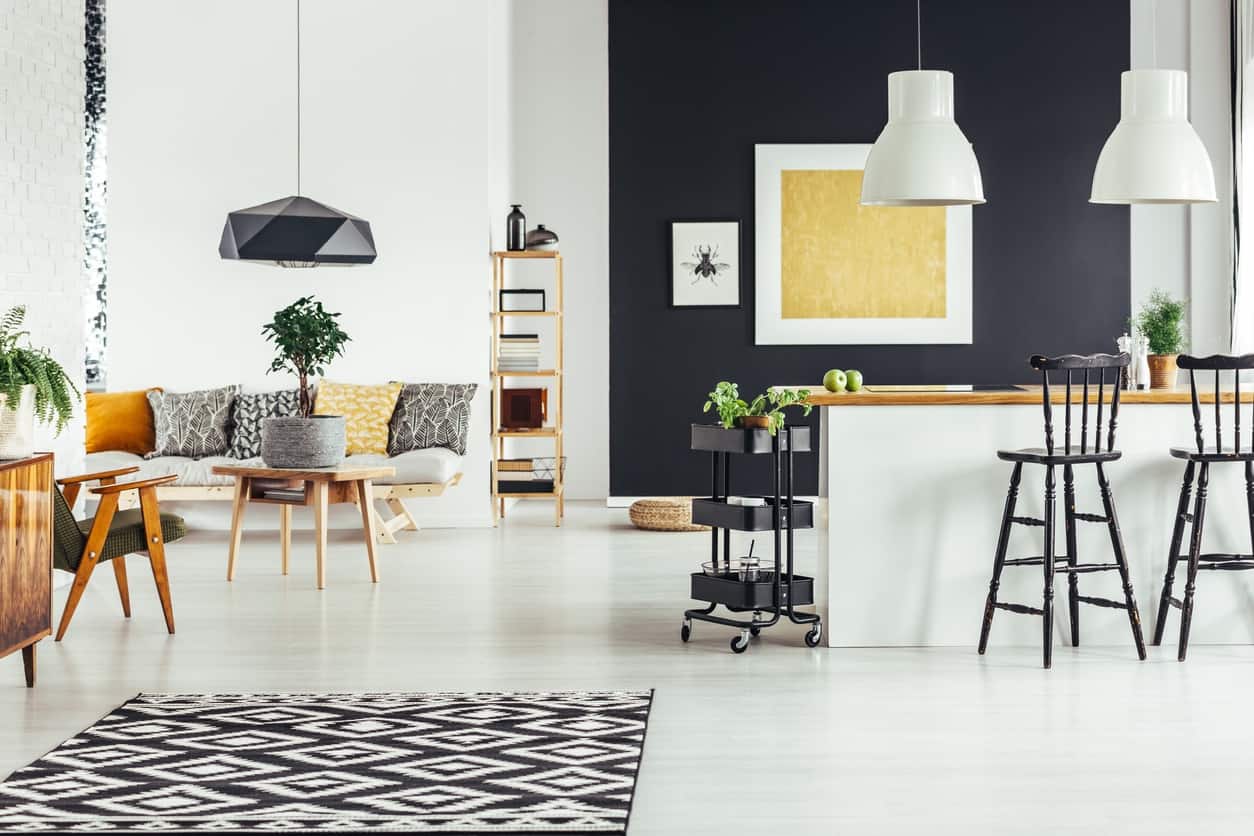
A repaint means living around the work. Furniture gets moved, rooms close off, and routines shift for a few days. For a lot of families, the real stress isn’t the paint itself. It’s not knowing when the house is fully theirs again.
Some homeowners also worry about a fingerprint or scuff on a wall they just paid to have painted. That concern is fair. You deserve a clear timeline before anyone opens a can, not a guess on the last day of the job.
What Can Happen When Paint Gets Rushed
Most problems tied to humid-weather painting trace back to timing, not the paint. Here’s what can show up when the schedule wins over the drying time:
Every item on that list takes more time and money to fix than the extra hours of waiting would have. That’s why I would rather add half a day to a schedule than come back to repaint a room.
Our Plan for Drying Times in Humid Weather
I built our interior process around Georgia’s climate, not the perfect conditions on a lab sheet. Here’s what it looks like for your home:
- 1A free walkthrough first. We’ll review each room, talk through your schedule, and plan the work order so you always have usable space.
- 2Timing based on the room, not the clock. We follow the recoat time on the product data sheet and give extra time when the air is damp.
- 3A written schedule and a warranty. You get the timeline in writing before work starts, and our 3-year workmanship warranty backs the finished job.
Our crew is made up of screened professionals, and every project ends with a complete cleanup, so your rooms come back ready to use. You can see every service we offer, from walls and ceilings to trim and drywall repair, on our interior house painting services page.
How You Can Help Paint Dry at Home
You don’t need special tools to help. A few simple habits keep your indoor air closer to the conditions paint was tested in:
The EPA suggests using air conditioners and dehumidifiers to hold indoor humidity between 30% and 50%. A basic hygrometer from a hardware store costs little and shows you exactly where your home sits on any given day.
Plan Your Project Around the Calendar
We paint interiors all year, but the season can shorten the wait between coats. October afternoons in Atlanta average about 50% humidity, compared with 57% in August. That small gap can make a difference on a tight schedule.
We work with homeowners across the metro, from Snellville to Sandy Springs and Buckhead. The same humidity rules apply at every address, so we plan each schedule around the house and the forecast, not a standard template.
What a Well-Timed Paint Job Feels Like
When drying time gets respected, you move back into rooms that look finished and stay that way. Furniture slides back without sticking. Doors close cleanly. Three weeks later, you can wipe a smudge off the wall without worrying about the finish.
That’s the outcome worth planning for. A few extra hours on the schedule protect the money you put into the project.