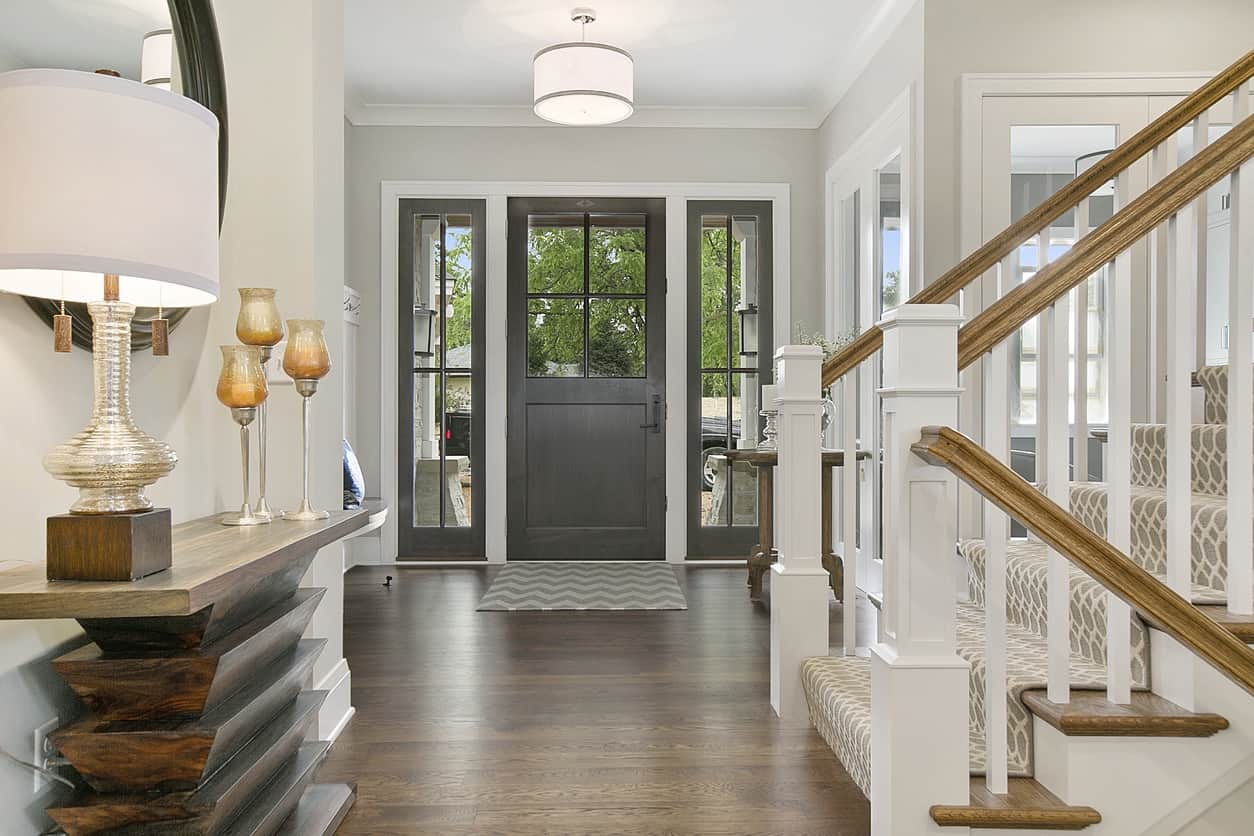
How often should you repaint your walls? Most answers online give one number, usually every 5 to 7 years, and stop there. That single number hides more than it tells. A busy hallway can look tired in two years, while a guest bedroom can look fine after ten. So how often should you paint the inside of your house? The honest answer depends on the room, how you use it, and how much moisture it sees.
My team at Oakcliff Painting has painted homes around Atlanta since 1996, and this is one of the first questions homeowners ask us. Below, I break it down room by room so you can see which spaces need attention now and which can wait. If you want to see how we handle prep, drywall repair, and cleanup first, our interior house painting services page lays out the full process.
Why One Number Does Not Work for Every Room
Paint does not wear out on a timer. It wears down from three things: touch, moisture, and light. Hands, backpacks, and vacuum cords scuff walls. Steam from showers and cooking pulls at the paint film. Sun from big windows fades color unevenly. A room that gets all three wears out fastest. A room that gets none can go a decade.
Here in metro Atlanta, long and humid summers add another layer. When indoor air stays damp, bathrooms and laundry rooms take the hit first. The EPA’s mold and moisture resources recommend keeping indoor humidity below 60%, ideally between 30% and 50%. Damp air feeds mildew, and painting over mildew without treating it first does not fix it.
How Often Should You Paint the Inside of Your House? A Room by Room Answer
The ranges below are common rules of thumb painters use. Treat them as a reminder to walk the room and look closely, not as a deadline. If a room still looks clean and solid, it can wait.
| Room | Typical Range | What Wears It Down |
|---|---|---|
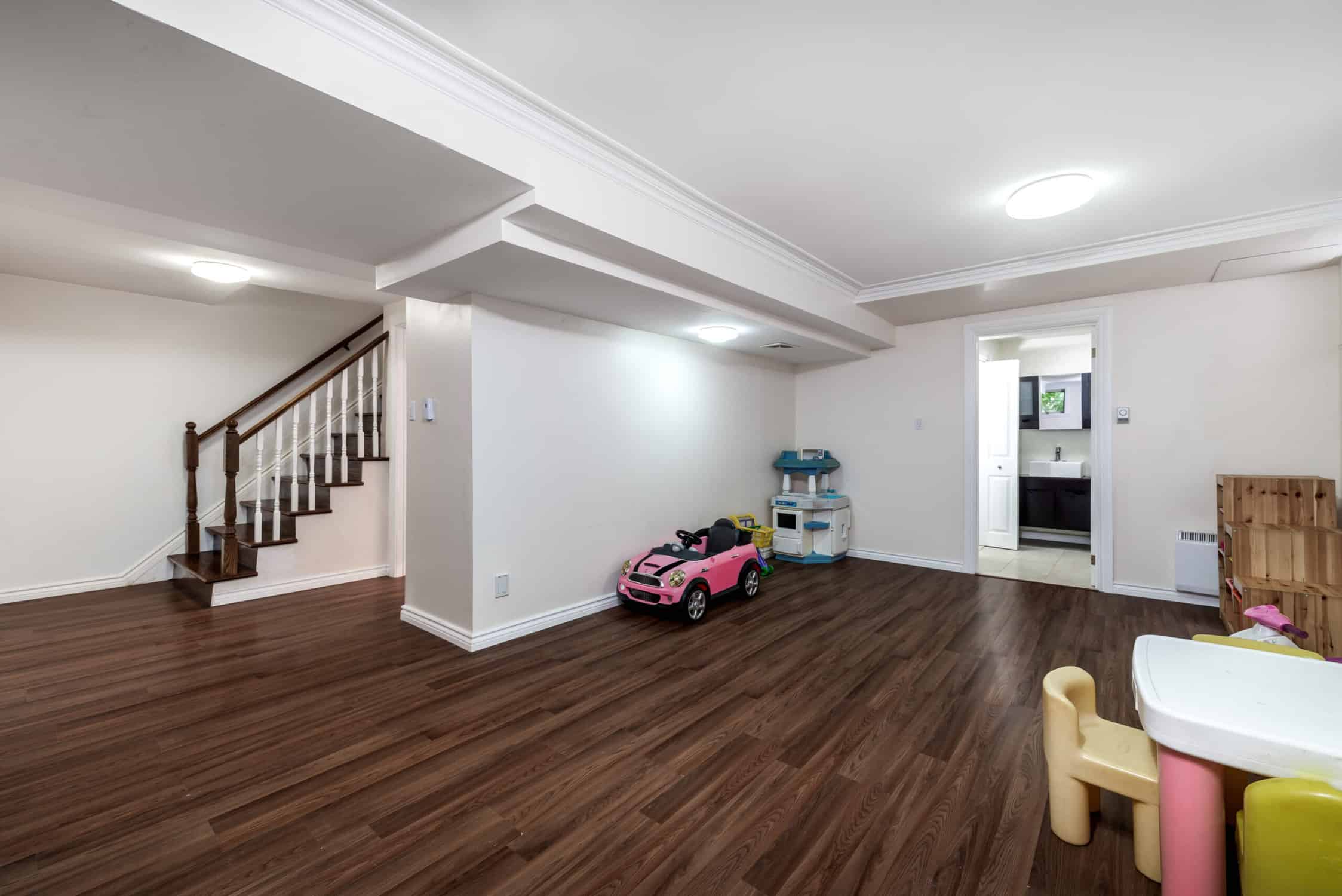
| Hallways and entryways | 2 to 3 years | Hands, bags, furniture moves |
| Kids’ bedrooms and playrooms | 2 to 4 years | Scuffs, marks, frequent washing |
| Kitchen | 3 to 5 years | Grease, steam, regular cleaning |
| Bathrooms and laundry rooms | 3 to 4 years | Shower steam and humidity |
| Living and family rooms | 5 to 7 years | Daily use and sun fading |
| Dining rooms | 5 to 10 years | Light use, sun from windows |
| Adult and guest bedrooms | 5 to 10 years | Light use |
| Ceilings | About 10 years | Dust and cooking residue |
Notice the pattern. The rooms you touch, cook in, or shower in tend to need paint about twice as often as the rooms you mostly look at. That is why we rarely recommend painting a whole house on one schedule.
Signs a Room Needs Paint Now, No Matter the Year
The calendar is only half the story. The condition of the wall is what tells you when to act. Here is how to tell normal wear from a problem worth a closer look.
| Normal Wear (Can Usually Wait) | Signs of a Problem (Worth a Look Now) |
|---|---|
| Light scuffs that wash off | Paint peeling or flaking off in sheets |
| Color slightly faded near windows | Bubbles or blisters, often in bathrooms |
| Small nail holes from old pictures | Stains that bleed back through after washing |
| Minor gaps in trim caulk | Cracks that return after patching |
The left column is mostly about looks. The right column usually means something under the paint needs fixing first, like a slow leak, a bathroom fan that does not move enough air, or damaged drywall. New paint over those issues tends to fail again.
What Is Really Behind the Question
Most people asking how often to repaint are not really asking about paint. They want to know if they are about to spend money too soon, or if they have already waited too long. Both worries make sense. Painting a room that still looks fine can feel wasteful. Putting it off and finding damage later can feel worse.
You deserve a straight answer about which rooms need work. That answer should come from looking at your walls, not from a sales calendar. That is the standard I hold my own team to.
Our Plan for Deciding Which Rooms to Repaint
At Oakcliff Painting, we do not sell repaints by the calendar. Here is how we handle every interior project:
- 1Walk the house with you. We look at wear, moisture signs, and needed repairs before we talk about paint.
- 2You choose the rooms. We’ll provide a written estimate at no cost for the rooms you choose, so you can start with the busiest spaces and handle the rest later.
- 3Fix what is underneath first. Drywall repair, sanding, and prep happen before any new paint goes on.
- 4Paint, clean up, and stand behind it. We work around your schedule, clean up completely when we finish, and back the work with a 3-year workmanship warranty.
None of these steps are about selling you more rooms. They are about making the paint you do buy last longer. You can see the full scope of our interior painting in Atlanta work, from walls and ceilings to trim and drywall repair, on our service page.
We paint homes across the metro area, including Snellville, Duluth, Sandy Springs, and Alpharetta. The same room by room approach applies in every one of them.
What Waiting Too Long Can Cost
Letting a scuffed bedroom go a few extra years is usually fine. Letting a moisture problem go is a different story. A bubbling bathroom wall can mean water is getting behind the paint. Over time, that can lead to soft drywall, mildew, and repair work before any painting can start. Catching it while it is still a paint issue is the lower cost path.
One more thing to check is your home’s age. If it was built before 1978, the EPA’s lead paint rules require any paid painter who disturbs 6 square feet or more of interior paint to be certified and to follow lead safe work practices. Ask any painter you hire to show you that certification before sanding starts.
Planning to Sell? That Changes the Timeline
If a move is on the horizon, paint timing shifts. In the 2025 Remodeling Impact Report from the National Association of Realtors, painting the entire home and painting one room were among the top projects agents recommended sellers take on. Buyers notice worn walls quickly, even when everything else in the house is in good shape.
How to Get More Years Out of Each Room
A few simple habits can stretch the time between paint jobs. None of them take special tools or much time.
These habits will not stop normal wear. They do buy you time and give you an early warning if something bigger starts behind the wall.