Most homeowners are surprised by their first painting quote. You searched for interior house painting cost expecting a simple number — and instead, you got a range so wide it felt like the contractor was guessing. You’re not alone. Painting prices can vary by thousands of dollars from one home to the next, and the reasons aren’t always obvious.
Here’s what this post covers: the real factors that drive interior painting prices, what you can do to get an accurate quote, and how to know whether you’re getting a fair deal. Interior house painters price jobs based on a specific set of variables — and once you understand those variables, the numbers will start to make a lot more sense.
Key Takeaways:
- Room size, ceiling height, and the number of rooms are the biggest drivers of cost.
- Surface condition matters as much as square footage — damaged walls cost more to prep.
- Paint quality affects both price and long-term results.
- Labor is typically the largest portion of any interior painting quote.
- Getting multiple quotes from interior house painters helps you compare apples to apples.

Why Interior Painting Quotes Vary So Much
Walk through two houses that are the same square footage. One has smooth, freshly patched walls, 8-foot ceilings, and minimal trim. The other has 10-foot ceilings, elaborate crown molding, and walls covered in dark colors that need several coats to cover. The second house will cost noticeably more to paint — even though it’s the same size on paper.
That’s the core of why pricing feels unpredictable. Painters aren’t pulling numbers out of thin air. They’re calculating time, materials, and risk based on what’s actually in front of them.
Square footage is the starting point, but it’s rarely the finish line. Painters typically price by the square foot of paintable surface — walls, not floor. A 12×15 room with 9-foot ceilings has about 540 square feet of wall space, not 180. That distinction adds up fast when you’re pricing an entire home.
Number of rooms also plays a significant role. Moving furniture, masking trim, setting up and cleaning up — those tasks happen in every room, regardless of size. Painting five rooms costs more per square foot than painting ten, because the fixed setup costs are spread across fewer walls.
The Role of Surface Preparation
This is where many homeowners underestimate costs. Surface prep — patching holes, sanding rough spots, priming bare drywall — takes time. On a well-maintained home with smooth walls, prep might be minimal. On a home with water stains, old repairs, or walls that haven’t been painted in 15 years, prep can add hours to the job.
Skipping prep isn’t really an option if you want the final result to look good and last. Paint doesn’t hide flaws — it highlights them. A crack in the drywall that looks minor before painting looks obvious after two coats.
If your walls need significant work before a brush ever touches them, expect that to show up in your quote. It should. That’s not a red flag — that’s a painter who’s being honest about what the job actually involves.
Ceiling Height and Architectural Details
Ceiling height changes how a painter works. Standard 8-foot ceilings can be rolled from the floor with an extension pole. Ceilings at 10 or 12 feet require ladders and slower, more careful work. Vaulted ceilings or two-story foyers often require scaffolding — which adds both time and equipment costs.
Trim, doors, and windows are another factor. Cutting in around baseboards, door frames, and window casings is detail work. It’s slower than rolling open wall space. The more trim you have — and the more intricate it is — the more time it takes.
Many homeowners ask whether ceilings are included in the quote. Sometimes they are, sometimes they’re not. Always ask. Ceiling paint, especially on textured ceilings, can add meaningful cost to a project.
Paint Quality: Where Cutting Costs Gets Expensive
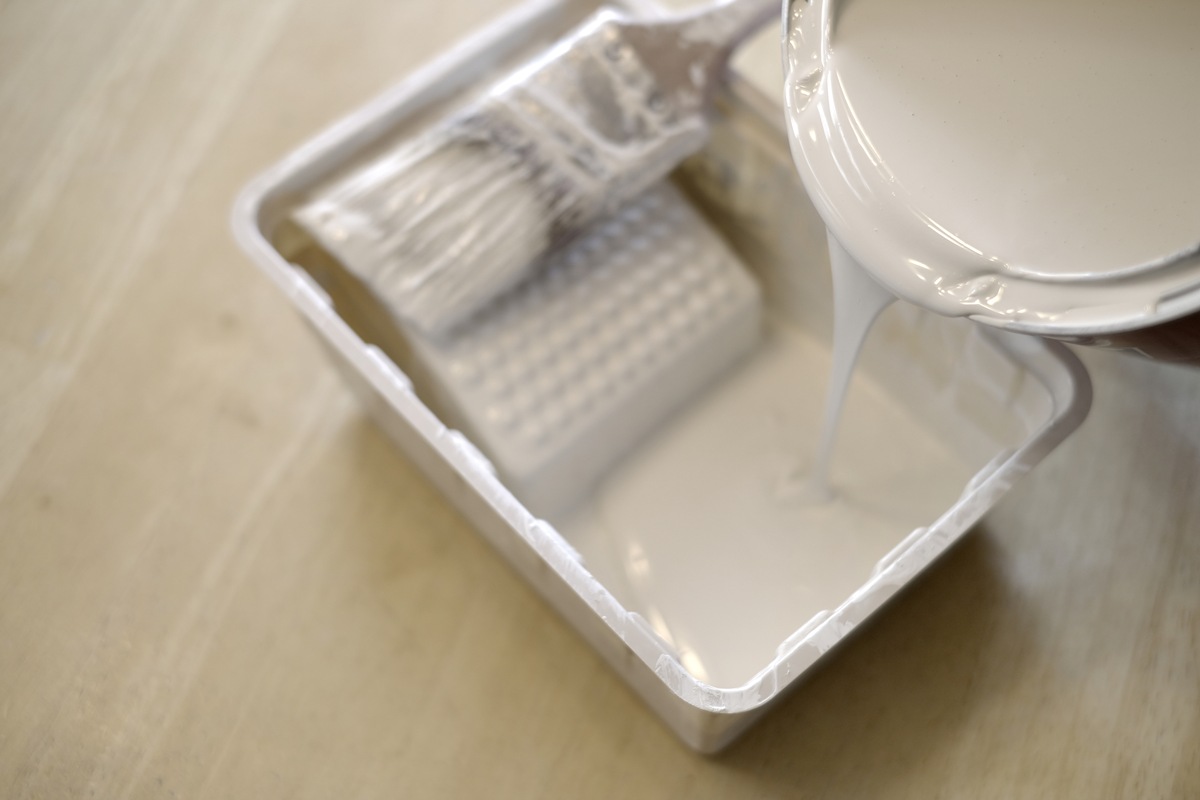
Paint quality is one area where the cheapest option often costs more in the long run. There’s a real difference between a $20-per-gallon builder-grade paint and a $65-per-gallon premium paint — not just in price, but in coverage, durability, and washability.
Higher-quality paints typically cover better, which can reduce the number of coats needed. They hold up better to cleaning, which matters in kitchens, bathrooms, and homes with kids or pets. They also tend to maintain their finish longer before needing a fresh coat.
The paint your painter chooses affects both your upfront cost and how long the job lasts. Ask what brand and line they’re recommending and why. A painter who can explain the reasoning — not just say “it’s a good paint” — is showing you they know their craft.
How Labor Affects Interior House Painting Cost
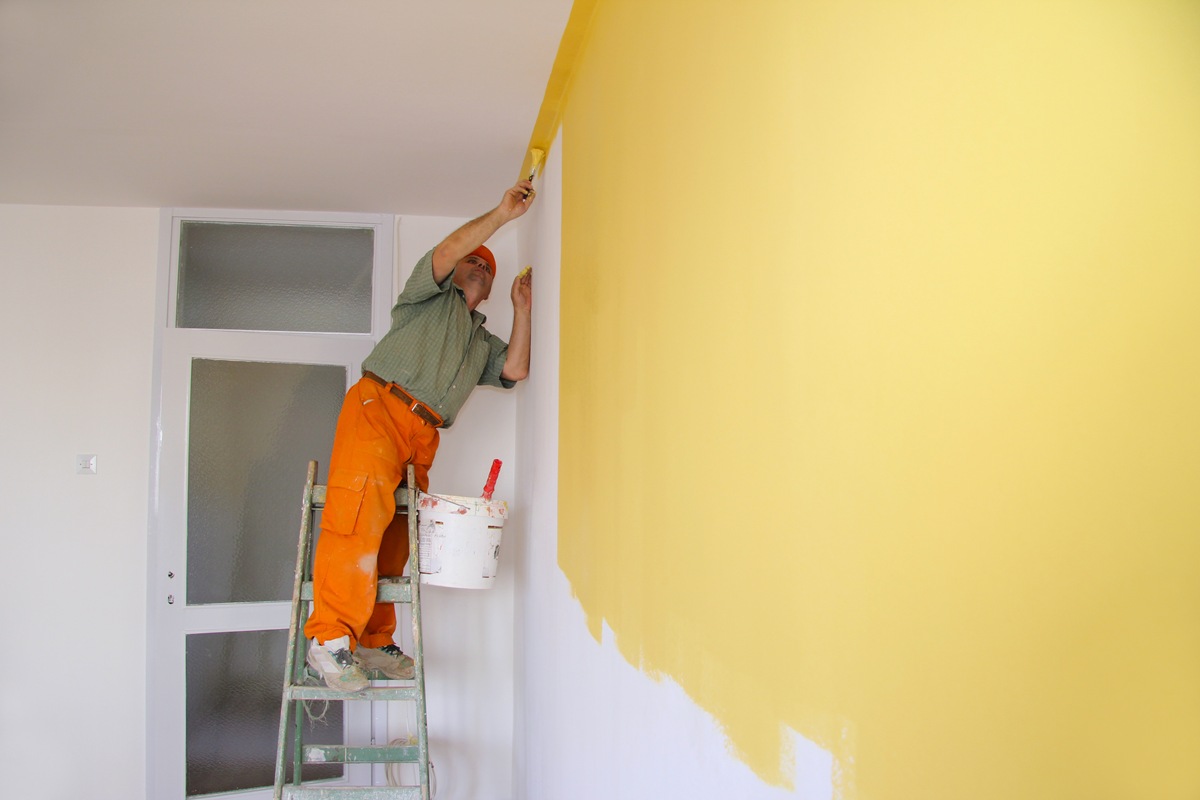
Labor is the largest line item in most interior painting quotes. Painting is skilled work. A professional crew knows how to prep surfaces properly, apply paint evenly, cut clean lines around trim, and protect your floors and furniture in the process.
Rates vary by region. Painters in high cost-of-living markets charge more than those in smaller towns, and that reflects real differences in overhead, insurance, and wages — not just padding.
The size of the crew matters too. A two-person crew on a five-room job will finish faster than one painter working alone. Some companies charge more per hour but finish in fewer days, making the total cost comparable or even lower.
When comparing quotes, look at the total price — not just the hourly rate or per-square-foot number in isolation.
The Number of Coats and Color Changes
Painting over a dark wall with a lighter color takes more coats than repainting with a similar shade. If you’re going from deep navy to off-white, your painter may need a tinted primer plus two finish coats to get full, even coverage. That’s more material and more time.
Accent walls and multi-color rooms add complexity too. Every time a painter switches from one color to another, there’s additional masking, cleanup, and careful cutting-in between colors.
If you’re planning a dramatic color change, let your painter know upfront. It lets them quote the job accurately rather than discovering the situation after work has started.
What to Look for in an Accurate Quote
A good interior painting quote should tell you more than just the price. It should specify what surfaces are being painted, what brand and sheen of paint is being used, how many coats are included, what prep work is included, and what’s not included.
If a quote is vague — just a single number with no breakdown — ask questions. You want to know what you’re paying for so you can compare it fairly to other quotes.
Getting two or three quotes from reputable interior house painters in your area is a reasonable step. Wide variation between quotes often points to differences in scope, not just price. If one quote is dramatically lower than the others, find out why before assuming it’s the best deal.
What You Can Do Before the Painters Arrive
A few things you do before the job starts can affect your final cost. Clearing rooms of furniture reduces the time painters spend moving and protecting your belongings. Patching small nail holes yourself — if you’re comfortable doing it — removes that task from their prep list.
Giving painters clear access to the rooms they’re working in, good lighting, and a clear understanding of your expectations upfront all reduce the chance of surprises mid-project.
Ready to Get a Real Number?
Reading about interior house painting cost is helpful. Getting an actual quote from someone who’s walked your home is what gives you a number you can actually work with.
Oakcliff Painting gives homeowners a straight answer. No vague estimates, no surprise add-ons after the job starts. When you call 770-405-3449, you’ll talk to someone who knows how to assess your specific walls, your surfaces, and your goals — and give you a clear price based on what the job actually involves. That’s the kind of quote you can plan around.