I’ve been running Oakcliff Painting for over a decade, and I can tell you firsthand: when paint fails within weeks or months, it’s almost never the paint’s fault. In interior house painting projects in Snellville, GA, premature cracking, peeling, blistering, and adhesion loss almost always point to poor surface preparation.
Even the highest-quality oil-based paints cannot overcome dirt, moisture, unstable surfaces, or untreated defects. Paint can only protect and beautify what’s already stable. Skip the prep, and you’re setting yourself up for failure—expensive failure at that.
Key Takeaways
-
Poor surface preparation is the leading cause of early paint cracking and failure.
-
Cracks signal adhesion failure or trapped moisture, not a paint defect.
-
Dirt, moisture, and incompatible layers silently destroy coating performance.
-
Cutting corners on prep reduces upfront cost but multiplies long-term repair expenses.
-
Professional surface prep follows measurable standards, such as the Surface Preparation Standards.
What Is Poor Surface Preparation in Painting?

Defining Surface Preparation in Professional Painting
Proper surface preparation is not just washing a wall or sanding a spot. It’s a systematic process: cleaning, repairing, stabilizing, profiling, and priming the substrate so paint can bond chemically and mechanically. Each step is essential; skipping any compromises adhesion and long-term durability.
What “Poor” Preparation Actually Looks Like on Job Sites
From my years on job sites, poor preparation often takes these forms:
-
Painting over dust, grease, chalking, or mildew.
-
Skipping sanding or deglossing on smooth surfaces.
-
Ignoring moisture readings in drywall, wood, or concrete.
-
Applying paint to visibly failing or unstable substrates.
Even if the wall looks “ready,” underlying problems often lurk invisible to the untrained eye.
Why Paint Manufacturers Assume Proper Prep Was Done
All paint warranties and technical data sheets assume the applicator performed correct surface preparation. When cracks or peeling appear due to missed steps, responsibility falls squarely on the applicator—or, in DIY cases, the homeowner.
Why Poor Surface Preparation Causes Paint to Fail Early
Paint Is a Coating System, Not Just a Color Layer
Paint is not magic; it’s a system that relies on mechanical adhesion (gripping the surface) and chemical bonding (reacting with the substrate). Skip cleaning, sanding, or priming, and the system fails, regardless of how much premium oil-based paints you use.
Stress Points Form When Surfaces Are Unstable
Cracks often develop where paint is forced to stretch with:
-
Expanding wood or drywall.
-
Trapped moisture creating vapor pressure.
-
Loose material beneath the surface.
Even small movement causes visible cracking in improperly prepped surfaces.
Why Cracks Appear Faster Than Peeling in Some Cases
Cracking occurs first because tensile stress exceeds the paint film’s elasticity. Peeling usually follows later as adhesion continues to fail.
The Most Common Poor Surface Preparation Problems That Trigger Paint Failure
Painting Over Dirt, Dust, and Construction Residue
Microscopic debris may be invisible, but it acts as a bond breaker. Paint literally sits on top of contaminants rather than forming a solid layer, leading to early cracking.
Moisture Left in Walls, Concrete, or Wood
Even surface-dry substrates can contain residual moisture. Vapor pressure pushes paint away from the substrate, causing blistering and cracking, especially in humid areas like kitchens and bathrooms.
Skipping Repairs to Hairline Cracks and Surface Defects
Paint telegraphs every flaw beneath it. Ignoring hairline cracks or uneven surfaces turns minor imperfections into visible, spreading cracks.
Failure to Remove Chalking or Oxidized Paint
Chalking is already a sign of paint failure. Recoating without proper cleaning or priming almost guarantees repeat failures.
How Poor Surface Preparation Causes Cracks Specifically
Paint Film Tension and Surface Movement Explained
Improperly bonded paint cannot flex with normal substrate movement. Expansion and contraction of materials create micro-stresses that quickly evolve into cracks.
Temperature Expansion Without Surface Conditioning
Sun, cold snaps, or indoor heating cause materials like stucco, wood siding, and metal to expand and contract. Unprepared surfaces amplify stress on the paint film, accelerating cracking.
Why Cracks Often Follow Seams, Joints, and Repairs
Stress is concentrated at weak points like seams, corners, and patched areas. Poor prep at these zones guarantees visible cracks, often within weeks.
Interior vs Exterior Paint Failures Caused by Poor Preparation
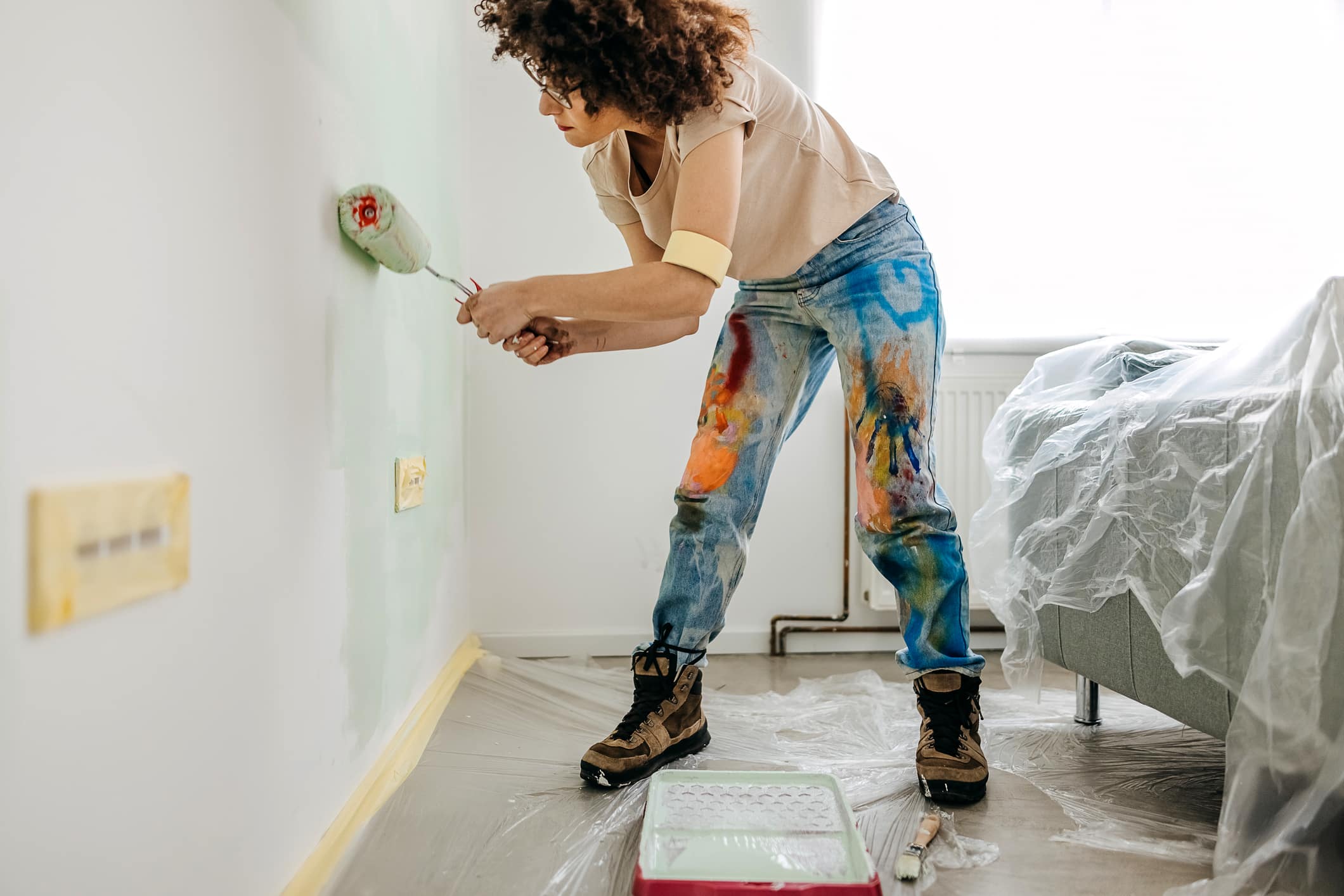
Smiled female painter enjoying her job
Interior Failures: Bathrooms, Kitchens, and High-Traffic Areas
Grease, soap residue, and high humidity accelerate failures. Even small prep mistakes here lead to peeling or cracking in a few months.
Exterior Failures: UV, Rain, and Substrate Movement
Exterior walls face thermal swings, rain, and sun exposure. Any prep shortcuts—like skipped primer or ignored moisture—manifest quickly as cracks or flaking.
Why Exterior Paint Cracks Are Often Structural Warnings
Cracks on exterior surfaces can reveal more serious issues, such as water intrusion, substrate rot, or settling. Proper prep helps detect and prevent these hidden problems.
Why Expensive Paint Cannot Fix Poor Surface Preparation
Paint Performance Is Limited by the Surface Beneath It
Premium oil-based paints require:
-
Clean, stable substrates.
-
Correct surface profile for mechanical adhesion.
-
Compatible primers for chemical bonding.
Without these, even top-tier paints fail.
False Cost Savings That Lead to Repainting Sooner
Skipping prep may save money upfront but reduces paint lifespan by 50–80%. Repainting costs quickly outweigh any initial savings.
The Hidden Costs of Poor Surface Preparation
Accelerated Repainting Cycles
Frequent repainting drives up labor, material costs, and inconvenience. A properly prepped surface lasts much longer, making the initial investment far more cost-effective.
Structural Damage Hidden Behind Paint Failure
Cracks often allow water intrusion, accelerating substrate decay, mold, or wood rot—issues invisible until prep was done correctly.
Property Value and Curb Appeal Loss
Visible cracking signals poor maintenance. Buyers and tenants notice, impacting both perceived and real value.
How Professional Painters Prevent Paint Failure Through Proper Preparation
Surface Evaluation and Testing Before Painting
At Oakcliff Painting, every interior house painting project in Snellville, GA begins with moisture readings, adhesion tests, and substrate inspection to identify hidden risks.
Cleaning, Repairing, and Conditioning the Surface
Professional preparation involves:
-
Washing and degreasing walls.
-
Sanding glossy or rough surfaces.
-
Patching cracks and holes.
-
Stabilizing weak substrates.
These steps prevent early cracking and ensure paint longevity.
Using the Correct Primer for Each Substrate
Primers are selected based on substrate type: drywall, wood, masonry, or metal. Compatibility ensures proper chemical bonding, reduces stress, and stabilizes the coating system.
Warning Signs Your Paint Job Failed Due to Poor Surface Preparation
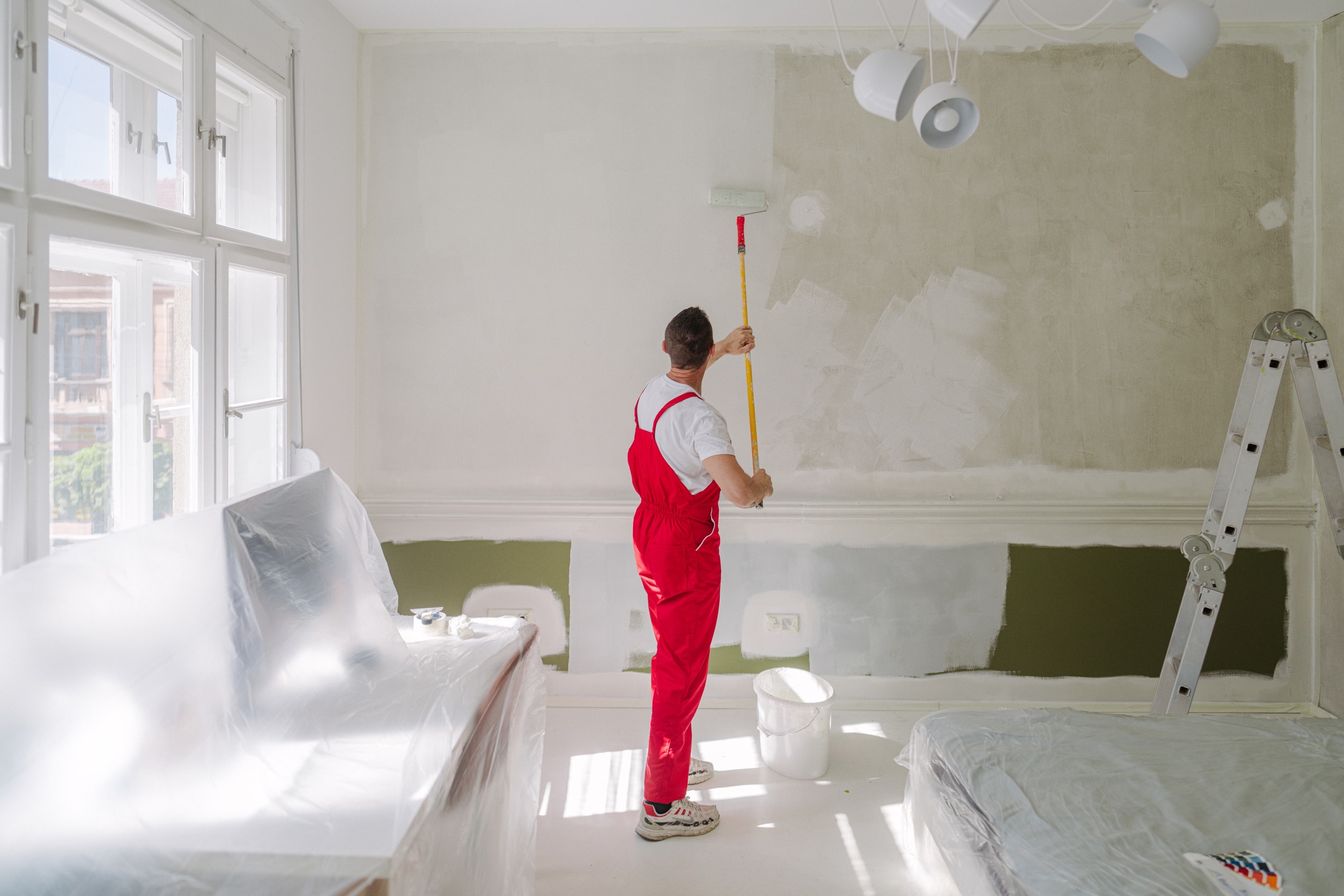
Photo of a professional house painter painting walls in the apartment
Cracks Appearing Within Weeks or Months
Rapid cracking indicates preparation failures rather than paint aging.
Peeling That Reveals Clean Surfaces Underneath
Adhesion loss is obvious when paint lifts cleanly from the substrate, showing proper prep was skipped.
Bubbling, Flaking, or Powdery Residue
These early-stage failure symptoms highlight areas where surface prep was insufficient or ignored.
Can Paint Failure from Poor Preparation Be Fixed?
When Recoating Is Not Enough
Simply adding another coat won’t solve underlying issues. Surface correction is required to prevent repeat failures.
Proper Repair Steps Before Repainting
Surface must be stripped, repaired, stabilized, and primed. Skipping any of these ensures cracks or peeling reappear.
When Full Removal Is the Only Reliable Solution
Widespread cracking, moisture damage, or systemic prep failures often require complete paint removal and proper re-preparation.
How to Protect Yourself as a Property Owner
Questions to Ask Before Hiring a Painter
Ask specifically about prep methods: cleaning, sanding, moisture testing, primer selection, and patching. Any contractor avoiding these is a red flag.
What Should Be Included in a Professional Prep Scope
A legitimate prep plan includes cleaning, sanding, patching, moisture testing, and priming. It should be documented in the contract.
Why Prep Should Never Be a Line Item to “Reduce”
Cutting preparation time or materials saves pennies upfront but guarantees expensive problems later.
Poor Surface Preparation Is the Real Paint Killer
Cracking, peeling, and blistering are almost never paint defects—they’re preparation failures. Investing in proper surface preparation is the most effective way to ensure a long-lasting, beautiful interior house painting project in Snellville, GA.
Remember: a successful paint job begins long before the first brushstroke. Preparation sets the stage for durability, performance, and peace of mind.