From decades of painting homes, I’ve learned this: timeless colors form the foundation, color trends should be used sparingly. Most repaint regrets happen when color trends are treated as permanent choices.
The debate around Pantone’s 2026 Color of the Year, Cloud Dancer (#F0EFEB), illustrates this clearly. Market reaction calls it emotionally flat and overly tied to minimalist, recession-era design. Meanwhile, WGSN and Coloro’s Transformative Teal (#23545B) is gaining attention for adaptability and depth—qualities that age better in real spaces.
Professional painters see this pattern repeatedly: color trends often fade emotionally before they physically fade, leading to faster repainting and higher costs.
Quick Takeaways
-
Timeless colors last; trend colors are best used as accents
-
Off-white trends like Cloud Dancer are not automatically safe
-
Minimalist palettes rise during economic uncertainty and age faster
-
Professional evaluation prevents costly repaint cycles
Why the Timeless vs. Trendy Debate Matters More Than Ever

Faster Trend Cycles
Social media and design platforms accelerate trend adoption and burnout. A color that feels modern one year can seem dated the next. This pace forces homeowners to make more repainting decisions, often prematurely.
Rising Repainting Costs
Each repaint involves labor, prep, and disruption. Choosing short-lived palettes can cost thousands over a decade. From personal experience, I’ve seen clients repaint entire homes within three years simply because the trend color no longer “felt right.”
What Professional Painters See
Colors tied to fleeting trends are the first to be repainted, while timeless neutrals maintain appeal even after ten or more years. That’s why professional advice is invaluable before committing to a trend.
Rule #1: Understand What “Timeless” Actually Means
Timeless colors are not bland—they have balanced undertones and moderate light reflectance (LRV), adapting across lighting conditions and décor changes. They feel intentional, not cautious, and form a stable backdrop for years of interior design evolution.
Rule #2: Recognize That Color Trends Are Mood Indicators
Trend colors signal cultural and emotional moods rather than practical longevity. Cloud Dancer, for instance, reflects calm restraint, but that emotional flatness is exactly what causes dissatisfaction in real homes over time.
Rule #3: Treat Off-White Trends With Extra Caution
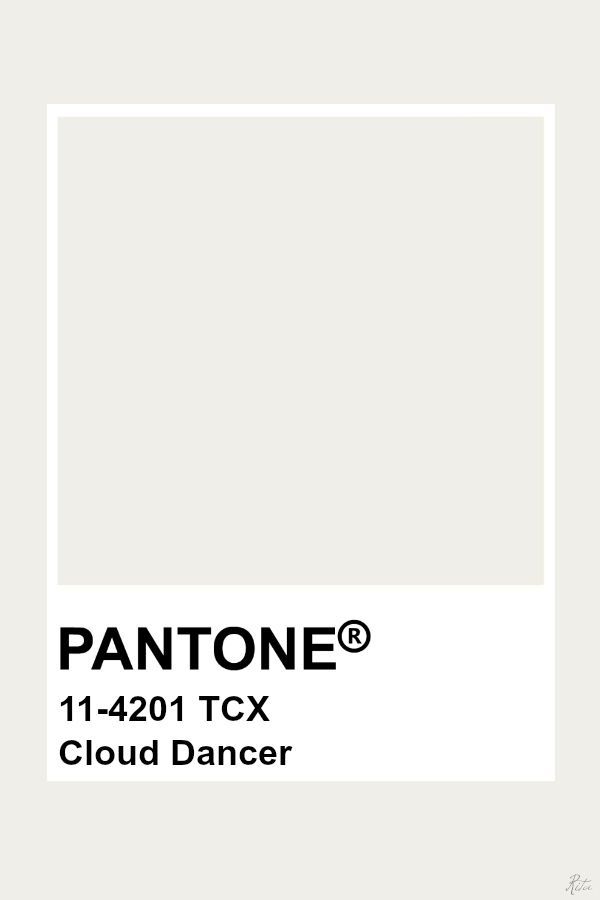
Off-whites are often marketed as “safe,” but slight undertones can shift in natural light. They show scuffs, shadows, and touch-up inconsistencies faster than mid-tone neutrals. Cloud Dancer 2026 color of the year performs best in low-traffic areas rather than across an entire home.
Rule #4: Watch for Recession Signals in Color Trends
Historically, whites, grays, and off-whites spike during economic uncertainty. These palettes often feel stagnant or pessimistic once confidence returns. Cloud Dancer fits this pattern: it’s associated with restraint and caution, not long-term adaptability.
Rule #5: Compare Multiple Color Trends Forecast Before Committing
Pantone’s Cloud Dancer emphasizes minimalism and neutrality, while WGSN and Coloro highlight Transformative Teal 2026 paint color, promoting balance and adaptability. Conflicting forecasts mean higher risk for homeowners, while consensus tends to signal safer long-term choices.
Rule #6: Never Use Trend Colors as Whole-Home Foundations
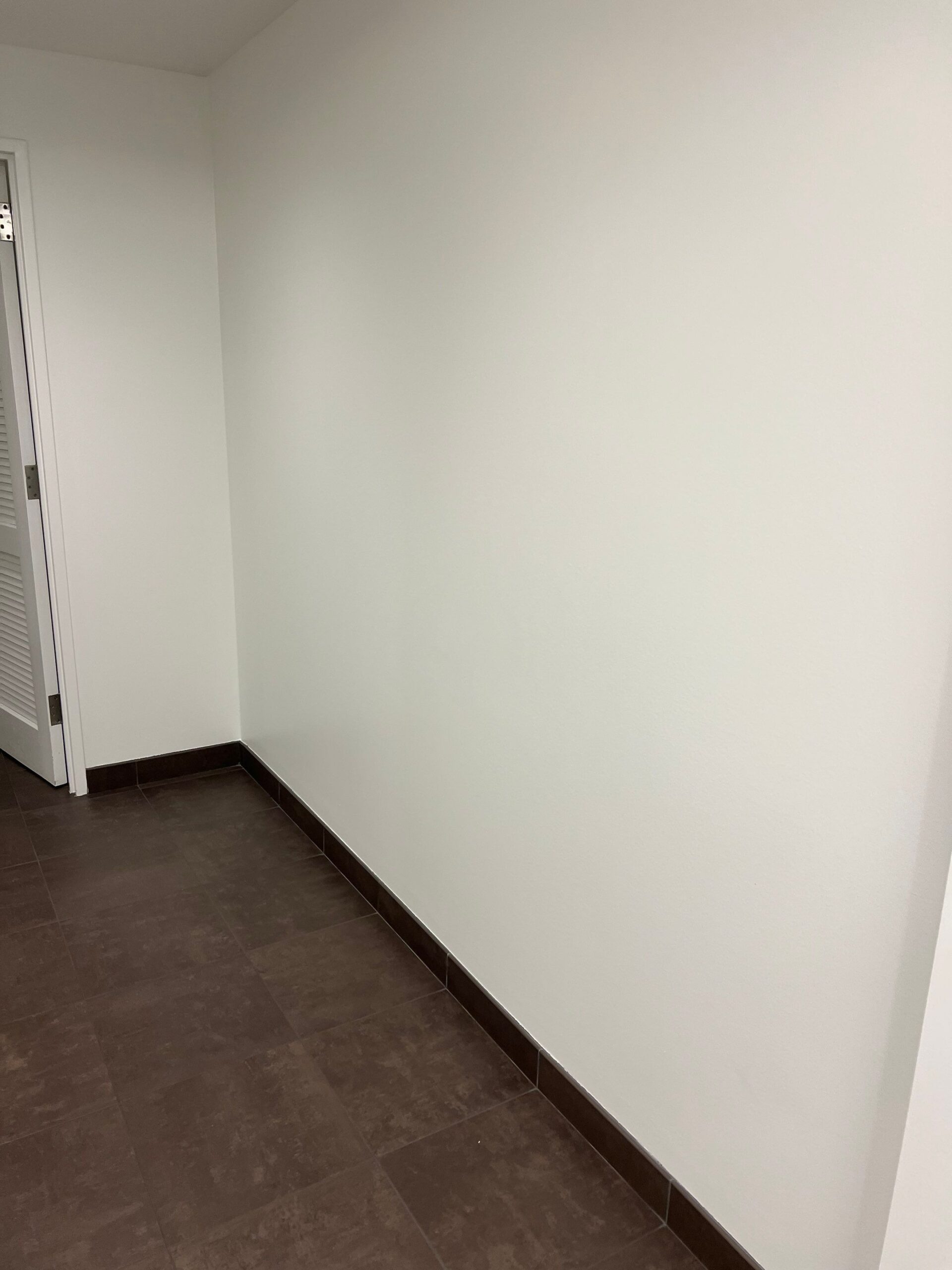
Color trends are designed for small-scale inspiration, not full interiors. Applying them everywhere often leads to visual fatigue and emotional dissatisfaction. Professional painters recommend using them selectively, in accent walls, niches, or decorative features.
Rule #7: Evaluate Lighting Before Choosing Trendy Colors
Natural and artificial lighting dramatically affect perception. North-facing rooms, seasonal shifts, and LED lighting temperatures can make a trendy color appear harsher, flatter, or more intense than expected. Color trends are far less forgiving than timeless neutrals in varied lighting conditions.
Rule #8: Factor in Long-Term Maintenance and Wear
High-traffic areas show scuffs, shadows, and touch-up inconsistencies. Trend-driven colors typically require repainting every 3–5 years, while timeless palettes can last 8–12+ years. In my experience, stark whites and minimalist shades are almost always the first to be repainted in real homes.
Rule #9: Separate Wall Color From Design Trends
Walls are the longest-lasting element in a home. Furniture, décor, and accessories are easier to change. Using color trends colors on removable elements—like cabinets—limits repainting and maximizes flexibility. For example, a cabinet respray in a trendy hue allows experimentation without committing your entire home.
Rule #10: Consider Emotional Longevity, Not Just Aesthetics
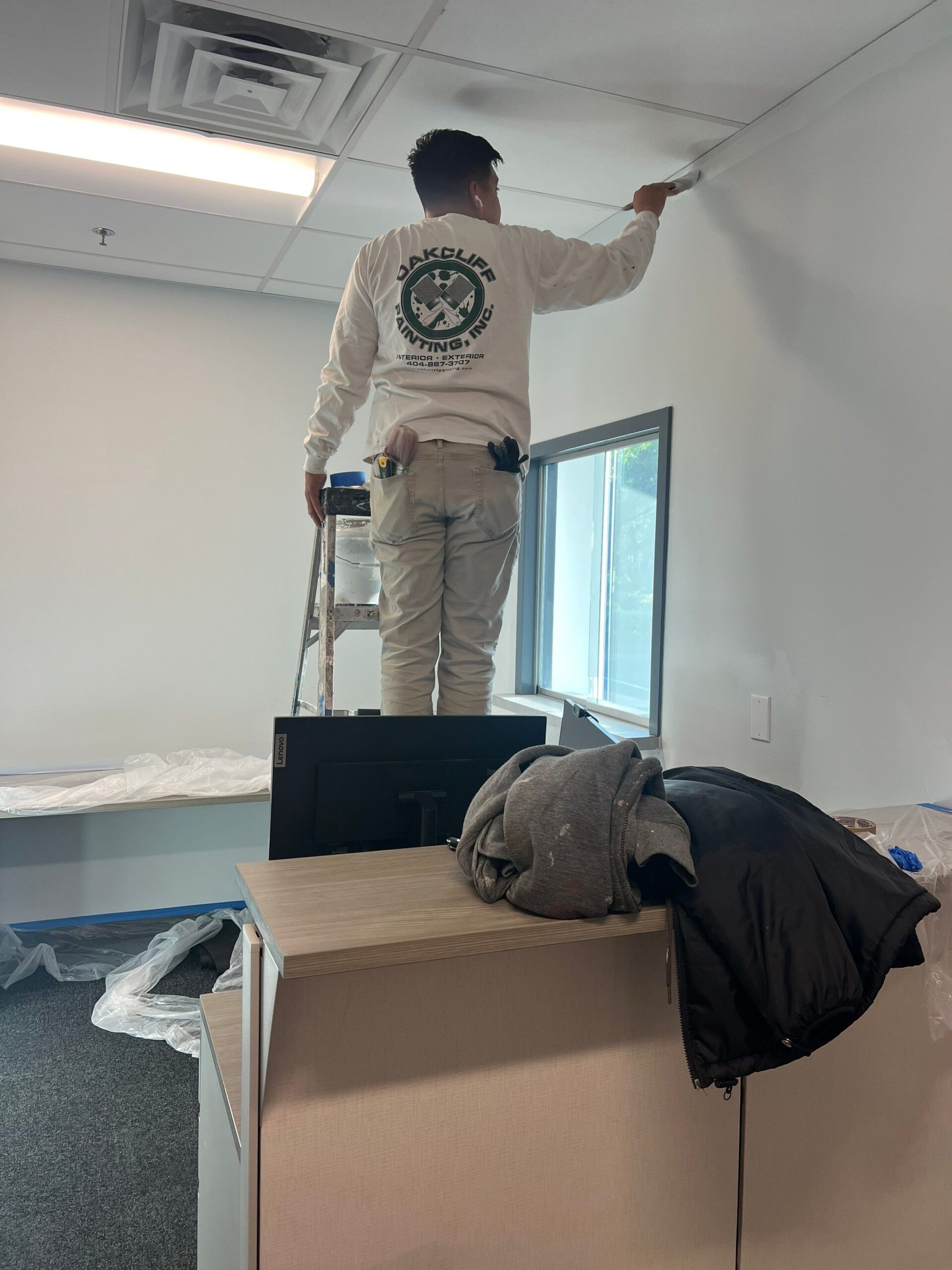
People live with color every day. Even if a trendy color looks striking initially, it may feel cold, flat, or overwhelming after a year. Professional painters often hear clients say, “It looked better online,” underscoring the need to balance aesthetics with emotional comfort.
Rule #11: Match Color Strategy to Property Type
Homes benefit from warmth and adaptability. Rentals and commercial spaces need neutrality paired with durability. Short-term or temporary spaces are the only scenarios where bold trend colors make sense as foundation colors.
Rule #12: Trust Professional Evaluation Over Color Trend Headlines
Professional painters consider architecture, lighting, finishes, and surface condition first. Color trend popularity alone is a poor guide. Visual longevity, comfort, and practical performance outweigh what is “buzz-worthy” on social media.
Winning With Color Trends in 2026 and Beyond
The conversation around Cloud Dancer 2026 color of the year highlights a recurring truth: colors chosen for caution and restraint often age the fastest. Minimalist, emotionally flat palettes tied to uncertain cultural moments rarely stand the test of time.
By contrast, adaptable, balanced colors like Transformative Teal 2026 paint color align with trends that consistently age well. The winning strategy isn’t choosing timeless or trendy—it’s knowing how and where to use each.
For homeowners and property managers in Sandy Springs, GA looking to refresh interiors, professional guidance is invaluable. Whether considering a cabinet respray or a full interior painting project, leveraging expert insight ensures that both timeless and trendy colors deliver lasting satisfaction.